
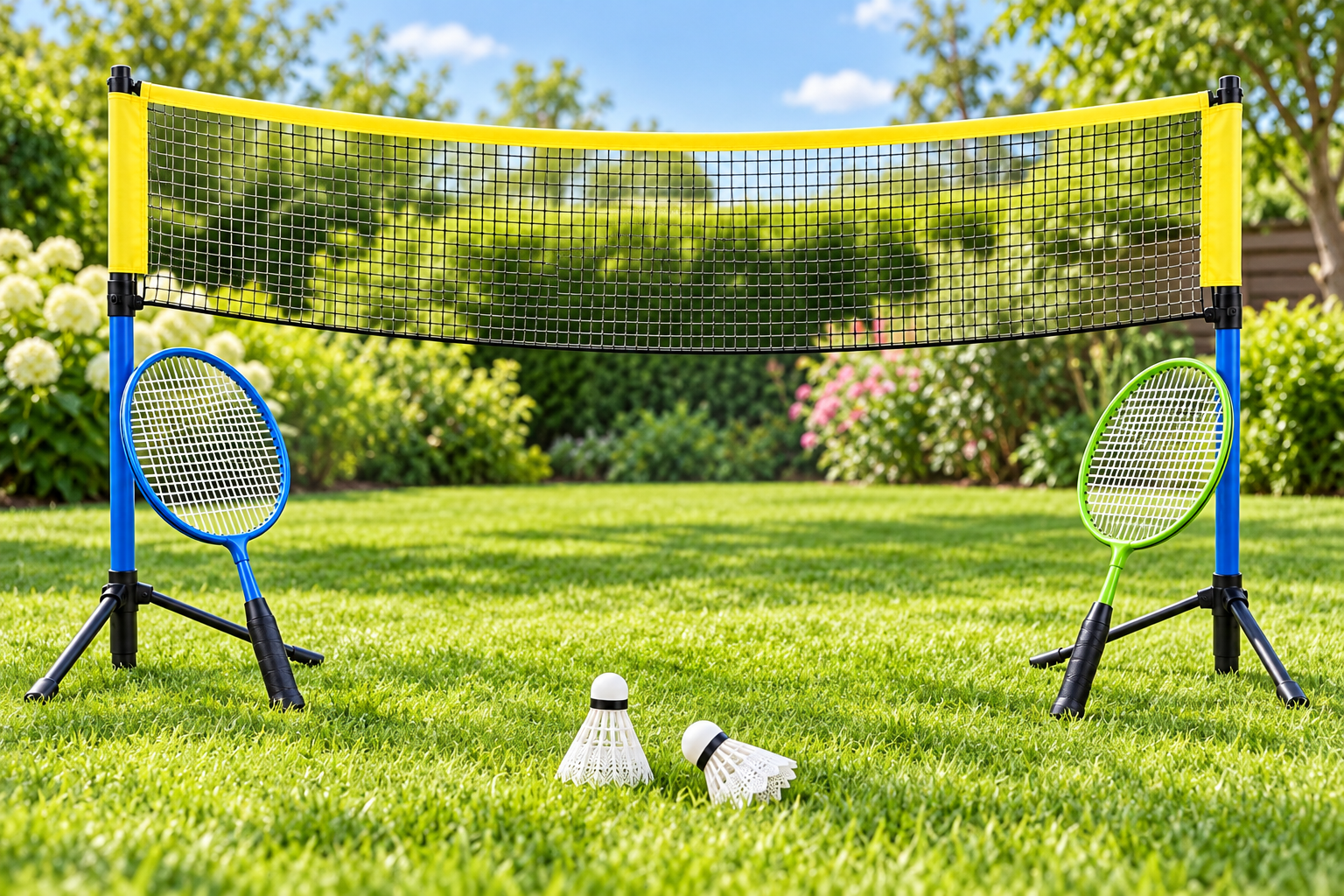
Shuttlecock lifespan is not a fixed number. For schools and kids' programs, it depends on construction, surface, storage, player strength and playing frequency. This guide explains how to plan replacement stock and what to confirm with a supplier.
How Long Does a Shuttlecock Last? The Answer Is Not a Number
If you are sourcing shuttlecocks for school sports lessons, after-school clubs or retail programs, you probably want a simple answer: how many games will one shuttlecock survive? The honest answer is that lifespan varies too much between programs to state a single figure. A shuttlecock used by six-year-olds on a gym floor will last very differently from one used by teenagers on asphalt, even if both come from the same production batch.
What you can do is understand the factors that decide how long shuttlecocks last in your specific setting, and build your replacement planning around those factors. This article covers what buyers should check before ordering, and what to confirm with a supplier so your stock planning holds up over a school year or a retail season.
Key Takeaways
- Shuttlecock lifespan is driven by construction material, playing surface, storage between sessions, player strength and playing frequency.
- There is no universal lifespan figure in hours or games; plan replacements based on your own usage pattern.
- Ask suppliers about spare shuttlecock availability, packaging quantities and material choice for your target age group.
- The Junior Badminton Set with Net for School Sports Lessons includes two shuttlecocks and ships 16 sets per carton, which simplifies replacement planning for schools and retailers.
What Decides How Long a Shuttlecock Lasts
Shuttlecock durability comes down to how the shuttlecock is made and how it is used. For institutional buyers, five factors matter most.
1. Construction Material
Shuttlecocks are generally made with either natural feather or synthetic materials. Feather shuttlecocks are traditionally used in competitive play but are more sensitive to moisture and mishandling. Synthetic shuttlecocks are common in school and recreational settings because they tolerate rougher handling and variable indoor conditions. For kids' programs, the material choice should match the age group and the expected level of care. A synthetic shuttlecock is usually the more practical choice when equipment is shared among many students and stored in a school cupboard between lessons.
2. Playing Surface
The surface underfoot affects wear on the shuttlecock as much as on the racket. Gym floors, sports halls and other smooth indoor surfaces are gentler. Outdoor surfaces such as asphalt, concrete or packed gravel accelerate wear because the shuttlecock contacts a harder, more abrasive surface. If your program runs outdoors, expect more frequent replacement than an indoor program with the same shuttlecock.
3. Storage Between Sessions
How shuttlecocks are stored matters, especially for feather models. Damp storage, direct sunlight and being crushed at the bottom of an equipment bag all shorten usable life. Synthetic shuttlecocks are more forgiving but still benefit from dry, ventilated storage. For schools, the practical question is whether the shuttlecocks return to a designated storage box at the end of each lesson, or get stuffed into a kit bag with rackets and nets.
4. Player Strength and Technique
Hard hitters and mis-hits reduce shuttlecock life faster. Beginners, and especially young children, tend to hit the shuttlecock off-center or hit the floor more often during practice. That does not necessarily mean shorter life — a soft hit that sends the shuttlecock to the floor repeatedly may cause different wear than a hard, clean smash. The point for buyers is that the player profile of your program (age, skill level, lesson structure) should guide how much replacement stock you hold.
5. Playing Frequency
A shuttlecock used twice a week in a 30-minute lesson faces different wear than one used daily in a training camp. Frequency is the most predictable factor for planning purposes: the more often the shuttlecock is in play, the sooner it will need replacing. Track how many shuttlecocks your program actually consumes per term, and use that as your baseline rather than an industry average.
Planning Replacement Stock for Schools and Retail
Because lifespan is not a fixed number, replacement planning should be based on your own usage and on how the product is packaged.
- For schools: Count the number of classes per week, the number of students per shuttlecock, and the number of weeks in the term. If your badminton sets include two shuttlecocks each, you can calculate a starting stock level and then adjust after the first term based on actual consumption.
- For retailers: Stock replacement shuttlecocks alongside the sets you sell. Parents who buy a junior set often need spare shuttlecocks later, and offering them as a separate SKU can capture that repeat purchase.
- For distributors: Ask about carton quantities and whether spare shuttlecocks can be ordered separately from the full set. This affects your warehouse planning and your ability to supply schools that need top-ups mid-year.
What to Confirm With a Shuttlecock Supplier
Before you place an order, confirm the details that affect replacement planning and product suitability for your market.
- Spare availability: Can shuttlecocks be ordered separately from the set? What is the minimum order for spares?
- Packaging: How many shuttlecocks come with each set, and how many sets per carton? The Junior Badminton Set includes two shuttlecocks, 16 sets per carton, with a MOQ of 500 sets.
- Material choice for the target user: Is the shuttlecock material suited to indoor school use, outdoor recreation or both? For age 6+ programs, ask whether the shuttlecock is designed for beginner handling.
- Compliance: For schools and retail in regulated markets, confirm that the set meets relevant standards. The Junior Badminton Set is EN71 / ASTM F963 compliant, which covers toy safety requirements for the target age group.
- Customization: If you need your own branding or packaging, ask about OEM/ODM options and what artwork or specifications are required.
Product Snapshot: Junior Badminton Set for Schools
| Item | Detail |
|---|---|
| Set contents | 2 shuttlecocks, 2 child-sized rackets (53 cm), nylon net (300 x 60 cm), 4 ground pegs, carry bag |
| Assembly | Tool-free |
| Racket frames | Lightweight composite with soft grip |
| Age range | 6+ |
| Compliance | EN71 / ASTM F963 |
| Carton quantity | 16 sets per carton |
| MOQ | 500 sets |
| Customization | OEM/ODM available |
For school sports lessons, the two included shuttlecocks mean each set arrives ready to play. If your program runs multiple classes per week, plan to order spare shuttlecocks in the same shipment or as a follow-up order, based on your own consumption tracking.
Frequently Asked Questions
Can you give a lifespan figure in hours or number of games?
No reliable universal figure exists because wear depends on material, surface, player strength, storage and frequency. The practical approach is to track consumption in your own program over one term or season, then use that as your planning baseline.
Are synthetic shuttlecocks better for schools than feather?
Synthetic shuttlecocks are generally more tolerant of rough handling and variable storage, which suits shared school equipment. Feather shuttlecocks are typically used where players have more control over equipment care. The right choice depends on your program's age group and storage conditions.
How should shuttlecocks be stored between lessons?
Keep them dry, away from direct sunlight and not crushed under other equipment. A designated storage box or the set's carry bag helps. For feather shuttlecocks, humidity control is more important than for synthetic models.
Can I order spare shuttlecocks separately?
Ask your supplier. Availability of spares and minimum order quantities vary. For the Junior Badminton Set, each set includes two shuttlecocks; whether spares can be ordered separately should be confirmed at quotation stage.
Next Step for Buyers
If you are sourcing badminton sets for schools or retail, start with your usage pattern: how often the shuttlecocks will be played, on what surface, by which age group, and how they will be stored. Then confirm spare availability, packaging quantities and material suitability with your supplier. Fujian Lequ Wanwan Co., Ltd. manufactures and exports the Junior Badminton Set with OEM/ODM options; you can review the full specification on the product page and request a quotation with your target quantity and customization requirements.


