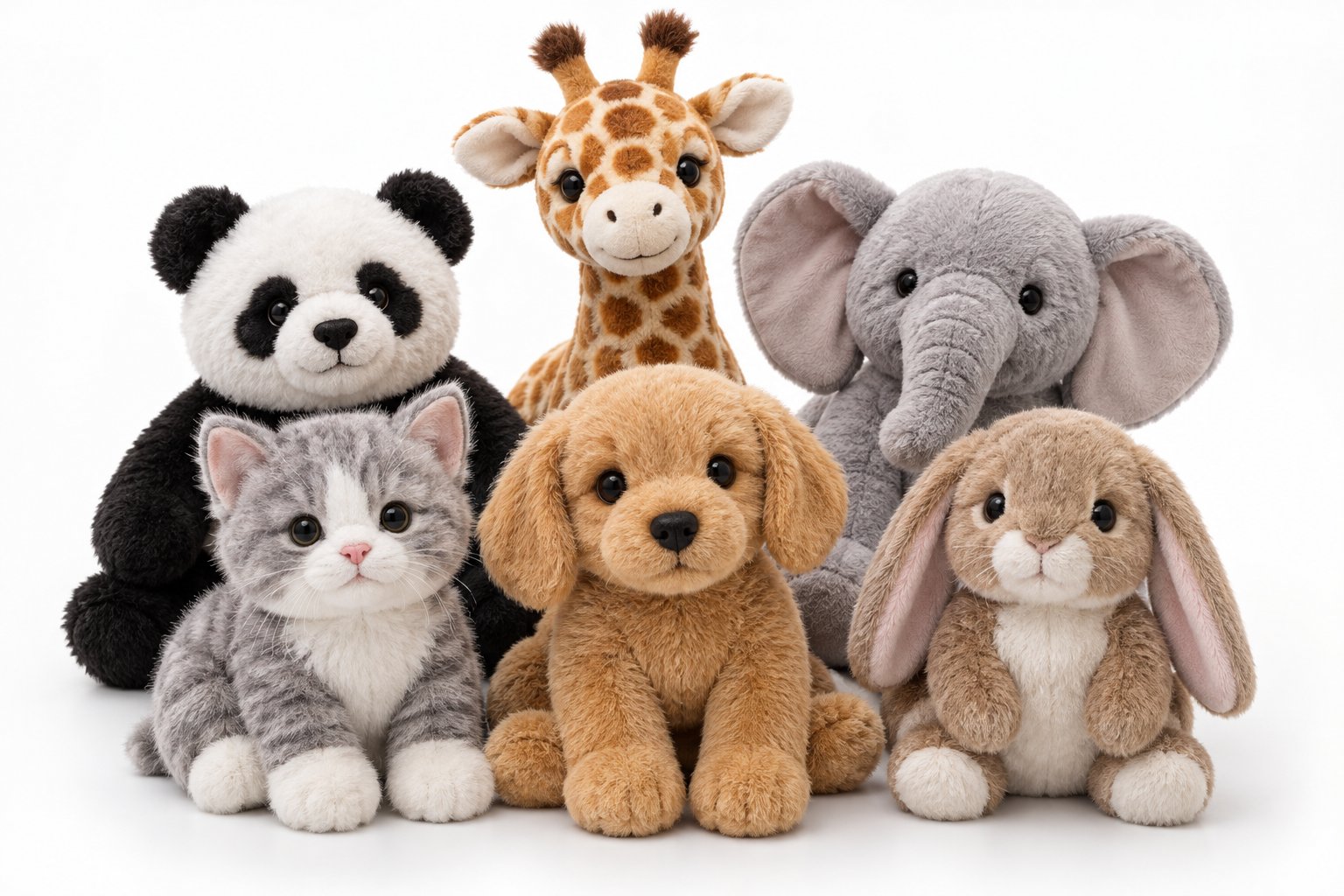
Ultra plush is a marketing term for a longer, denser pile than standard plush. Learn what actually changes on the factory floor and which specification levers to put in your RFQ instead of adjectives.
Fabric Selection Guide
Plush vs Ultra Plush: What Buyers Should Specify
If you are ordering custom plush, the difference between "plush" and "ultra plush" cannot be found in a standard. "Plush" is a recognized fabric category; "ultra plush" is a positioning adjective that tells you almost nothing about what will be cut, sewn, and stuffed on the line. This article explains what actually changes between the two and how to translate the feeling you want into specifications a factory can quote.
Key takeaways
- Plush is a pile fabric: a cut or looped surface yarn raised above a ground or backing fabric.
- "Ultra plush" is marketing language, not a technical grade. It usually signals longer and/or denser pile and a softer hand feel.
- Pile length, pile density, backing, and filling determine how the finished item looks and feels — far more than the word on the label.
- Put those four levers in your RFQ with measurable criteria, and confirm exact values with the supplier against your sample.
What "plush" actually means
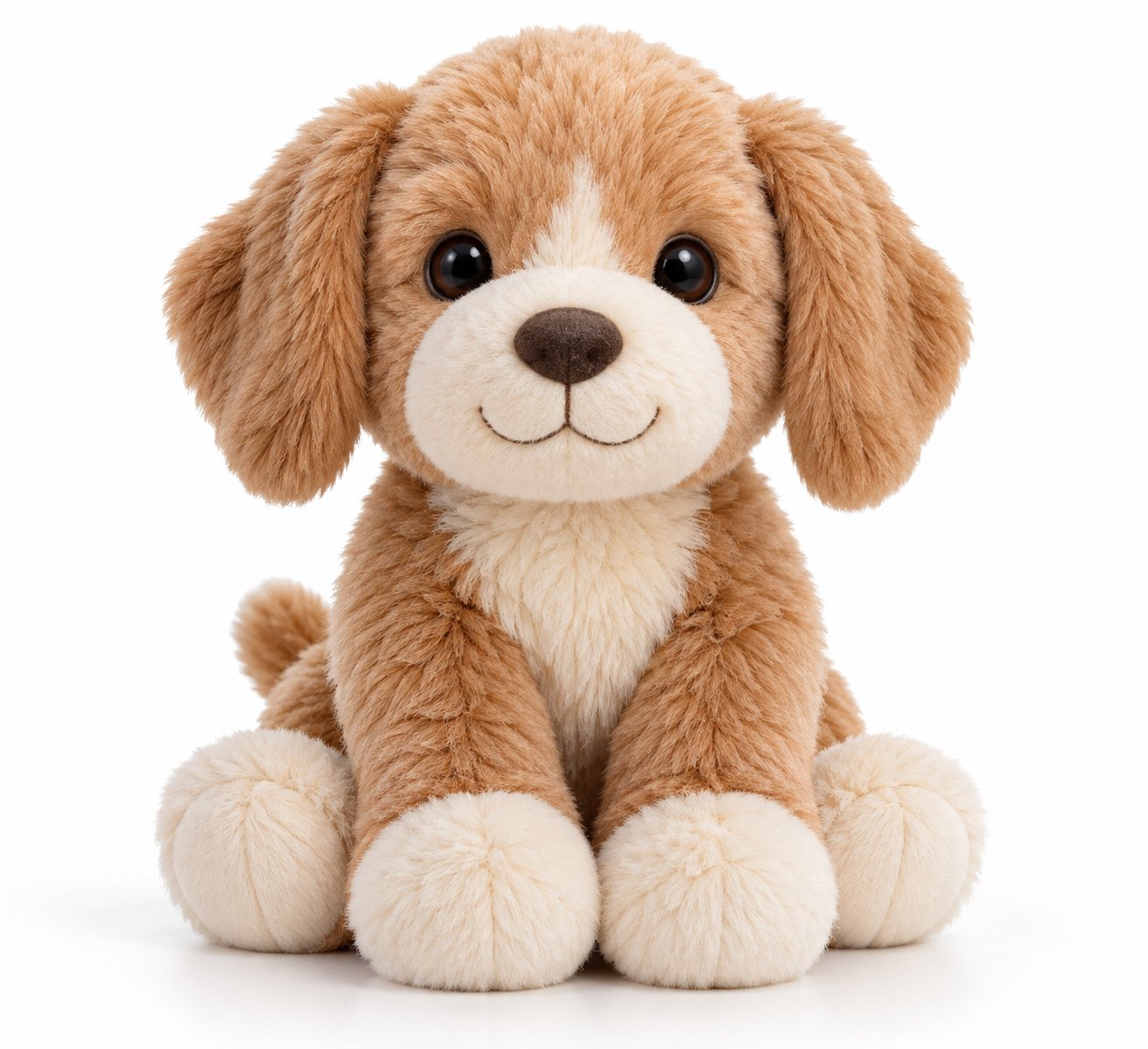
In fabric terms, plush is a pile fabric — a woven or knitted ground cloth with an upright surface yarn cut or left looped. That construction is why plush feels soft and why it can be brushed, sheared, or finished to change the hand. The term describes a family of fabrics, not one material. Polyester is common in toy and promotional plush because it dyes well and holds pile, but blends and other fibers exist in the category.
Because plush is a construction, two suppliers can call very different fabrics "plush" and both be correct. That is the core problem for buyers: the word is a starting point, not a purchase order line.
Why "ultra plush" is not a specification
There is no industry body that certifies "ultra plush." It is a shelf-and-listing word used to signal a plusher feel — typically longer pile, sometimes denser pile, often both. Two products labeled ultra plush can differ from each other more than a standard plush differs from either of them.
For a buyer, the practical translation is: ultra plush means "softer and more luxurious than our standard plush." It does not tell you the pile length, the density, the backing, or the filling. Those are the values you need to compare quotes and to approve a sample.
The four levers that change look and feel
When you evaluate a plush sample, four variables explain most of the difference between a crisp, structured item and a soft, huggable one.
- Pile length. How far the surface fibers stand above the backing. Longer pile reads as softer and more plush; shorter pile reads as neater and more defined. This is the single biggest driver of the "ultra plush" impression.
- Pile density. How closely the fibers are packed. Density affects whether the surface looks full or thin and how well the shape holds after stuffing.
- Backing. The ground fabric and any lining. The Plush Animal Backpack for Kids uses short-pile plush with a polyester lining — a construction choice that supports a structured bag rather than a loose toy. Backing also influences stability and how the item drapes.
- Filling. What goes inside. The Custom Plush Stuffed Animal uses soft plush fabric with hypoallergenic filling and is EN71/ASTM F963 compliant, with a customizable size of 20–60 cm and an MOQ of 1,000 pcs. Filling type and amount change weight, firmness, and recovery.
What to put in an RFQ
Replace adjectives with measurable request lines. You do not need to name a number yourself — ask the supplier to propose against your reference sample, then lock the value in the approved sample and on the purchase order.
| Lever | What to ask the supplier | Why it matters |
|---|---|---|
| Pile length | State whether you want short pile or standard/longer pile, and send a physical or photo reference. | Drives the soft-versus-defined look and the "ultra plush" impression. |
| Pile density | Ask how the surface is specified and request a sample swatch for comparison. | Controls fullness, coverage, and how the shape holds after stuffing. |
| Backing / lining | Ask what ground fabric and lining are used, especially for structured items. | Affects stability, drape, and suitability for bags or backpacks. |
| Filling | Specify filling type (e.g., hypoallergenic) and target firmness. | Changes weight, hand feel, and recovery. |
| Compliance | Ask which safety standard the item is tested to for your market. | Different destinations require different documentation. |
One caution: a photo cannot convey pile length. A physical swatch or pre-production sample is the only reliable way to compare two plush fabrics. Confirm exact pile and density values with the supplier against that sample, because the numbers that matter are the ones your factory can repeat.
Matching pile to the application
Different end uses have different natural fits. A short-pile plush with a lining is a sensible direction for a structured item like a backpack, where shape and stitching definition matter. Longer, denser pile suits a soft stuffed toy where the goal is a huggable surface. The Custom Plush Stuffed Animal example shows the full picture a buyer should collect: fabric, filling, size range (20–60 cm), MOQ (1,000 pcs), and compliance (EN71/ASTM F963). That is a quoteable brief; "ultra plush" alone is not.
FAQ
Is ultra plush a different fabric from plush?
No. Both are pile fabrics. "Ultra plush" is a marketing descriptor for a longer and/or denser pile, not a separate category or graded standard.
Can I specify pile length in millimeters or density in gsm?
You can request it, but definitions vary between mills and no single number covers the category. The reliable approach is to approve a physical sample and record the specification against that sample.
Does a longer pile always mean better quality?
No. Longer pile feels softer but can mat or lose definition on structured items. Match pile to the product's function, not to the label.
What should I send with my inquiry?
Send a reference sample or clear product photos, the intended market, target size, and required compliance standard. That gives the supplier enough to propose pile, backing, and filling.
Pile and density values should be confirmed with the supplier against an approved sample. This article explains selection principles and does not replace a signed specification sheet.