A practical guide for importers and buyers on the filling materials used in plush toys—polyester fiber fill, PP cotton, and hypoallergenic options—and what to verify on samples and QC reports before placing an order.
If you are sourcing plush toys, you have probably asked: what is stuffed animal stuffing made out of? The answer matters more than it seems. Filling determines how a toy feels, how it holds shape, how it washes, and whether it can carry a "hypoallergenic" claim. It also affects cost and compliance. This guide covers the common filling materials you will encounter, what hypoallergenic really means on a spec sheet, and what to check on samples and in QC reports before you commit to a production run.
Key Takeaways
- Most plush toys use polyester fiber fill (often called PP cotton) as the standard filling.
- "Hypoallergenic" is not a single material—it describes a filling that has been cleaned and processed to reduce allergen risk, and it should be supported by documentation.
- Filling choice affects softness, weight, resilience, and washability, but the exact performance depends on the grade and processing, not just the material name.
- Verify filling on samples for hand-feel and loft, and confirm material declarations in QC reports.
Common Stuffing Materials You Will See
When you request quotes from suppliers, you will typically see a few filling categories. Here is what they mean in practice.
Polyester Fiber Fill
This is the workhorse of plush toy filling. It is made from synthetic polyester fibers that are crimped and processed into a fluffy, cohesive mass. Polyester fiber fill is lightweight, resilient, and relatively inexpensive. It can be produced in different deniers (fiber thickness) and cut lengths, which influence how soft or firm the finished toy feels. Most mass-market plush toys use this material.
PP Cotton (Polypropylene Cotton)
In the toy industry, "PP cotton" is often used as a trade term for a type of polyester fiber fill—despite the name, it is usually polyester, not polypropylene. Suppliers may use the terms interchangeably, so always confirm the actual material composition in writing. PP cotton-style fills are known for good loft and a soft, slightly springy hand-feel. They are common in both budget and mid-range plush toys.
Specialty Fills
Beyond the standard fills, you may encounter:
- Hypoallergenic filling: Typically a polyester fiber that has been washed or processed to remove dust and impurities. It may also be treated to resist allergens. The term is not standardized, so ask for the specific test or certification behind the claim.
- Recycled polyester fill: Made from post-consumer or post-industrial polyester. Buyers interested in sustainability may request this, but verify the recycled content and any supporting certificates.
- Microfiber fill: Finer fibers that create a denser, smoother feel. Often used in higher-end plush or toys that need to hold a specific shape.
- Bean fills or pellets: Sometimes used in weighted toys or specific designs. These are not typical for standard stuffed animals, but worth noting if your product requires a weighted base.
What "Hypoallergenic Filling" Means on a Spec Sheet
"Hypoallergenic" is a marketing and descriptive term, not a regulated material standard in most markets. When a supplier lists hypoallergenic filling, it generally means the filling has been processed to reduce common irritants such as dust, lint, or residual chemicals. However, the claim should be backed by something concrete. Ask for:
- The material composition (e.g., 100% polyester fiber).
- Any cleaning or processing steps (e.g., washed, dust-removed).
- Test reports for harmful substances, such as EN71-3 or ASTM F963 compliance, which cover heavy metals and other safety parameters.
- If the claim is allergen-specific, ask for the test standard used (e.g., a specific hypoallergenic test), though this is less common.
Remember that EN71 and ASTM F963 are toy safety standards, not hypoallergenic certifications. They confirm the toy meets certain safety requirements, but they do not automatically validate a hypoallergenic claim. Always check the scope of any certificate.
How Filling Choice Affects Feel, Weight, and Washability
The filling you choose influences the end product in several ways. The table below summarizes the general trade-offs. Note that the first row covers one material — polyester fiber — under its common trade names and processing grades; the differences within that row come from processing (denier, crimp, fill density), not from a different raw material.
| Filling Type | Feel | Weight | Washability | Typical Use |
|---|---|---|---|---|
| Standard polyester fiber fill (including "PP cotton" grades) | Soft, resilient, good loft; springier, slightly firmer grades exist depending on fiber denier, crimp and fill density | Light | Generally machine washable; lower-grade fills may clump if not properly processed (confirm with supplier) | General plush toys, budget to mid-range; shape-retention grades available |
| Hypoallergenic polyester fill (washed/processed polyester) | Soft, clean feel | Light | Washable; confirm any special care instructions | Baby toys, gift items, sensitive users — support the claim with the supplier's documentation |
| Microfiber fill | Dense, smooth | Medium | Washable, but may take longer to dry | Premium plush, detailed shapes |
These are general tendencies. Actual performance depends on the fiber denier, fill density, and how the toy is constructed. For example, a low-density fill may feel soft but lose loft after washing; a high-density fill may hold shape better but feel firmer. Always test a sample.
What to Verify on Samples
Before placing a bulk order, request a pre-production sample with the intended filling. Here is what to check:
- Hand-feel and loft: Squeeze the toy. Does it spring back? Is it evenly filled? Any lumps or empty spots?
- Weight and balance: A well-filled toy should feel substantial but not heavy. Check that the filling is distributed evenly, especially in limbs and head.
- Seam integrity: Filling can stress seams. Inspect stitching, particularly around joints and closures.
- Wash test: If the toy is intended to be washable, wash the sample according to your care instructions and check for clumping, fiber migration, or loss of shape.
- Smell: A clean filling should have no noticeable odor. Any chemical smell is a red flag.
What to Look for in QC Reports
Your QC documentation should confirm the filling material and its compliance. Key items to review:
- Material declaration: A statement of the filling composition (e.g., 100% polyester fiber).
- Safety test reports: EN71 or ASTM F963 reports covering the filling and the finished toy. Check that the report is current and applies to the specific product.
- Hypoallergenic claim support: If the product is marketed as hypoallergenic, ask for the basis—e.g., fiber purity, cleaning process, or specific test results.
- Consistency checks: QC should include a fill-weight check and a visual inspection for even filling and seam quality.
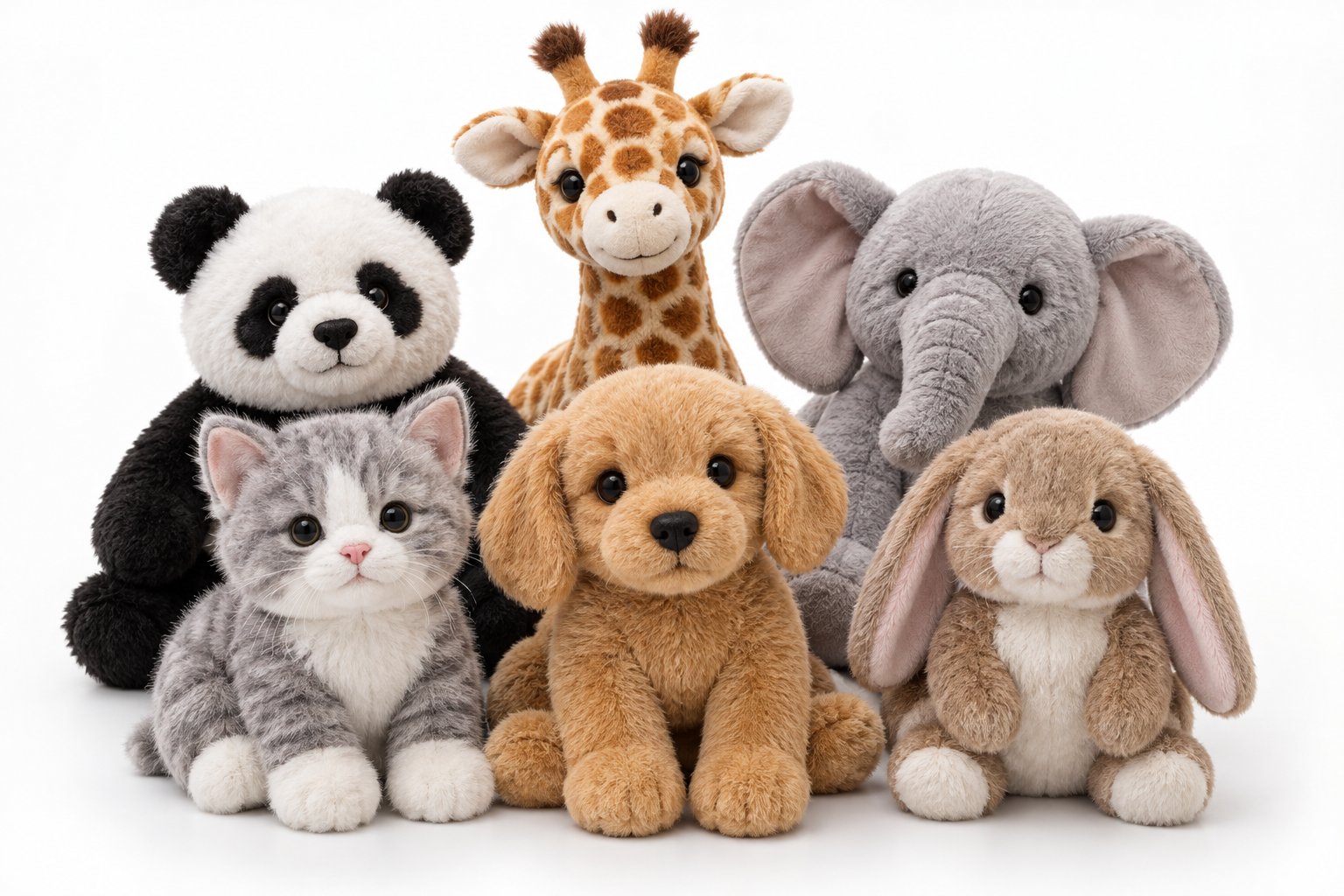
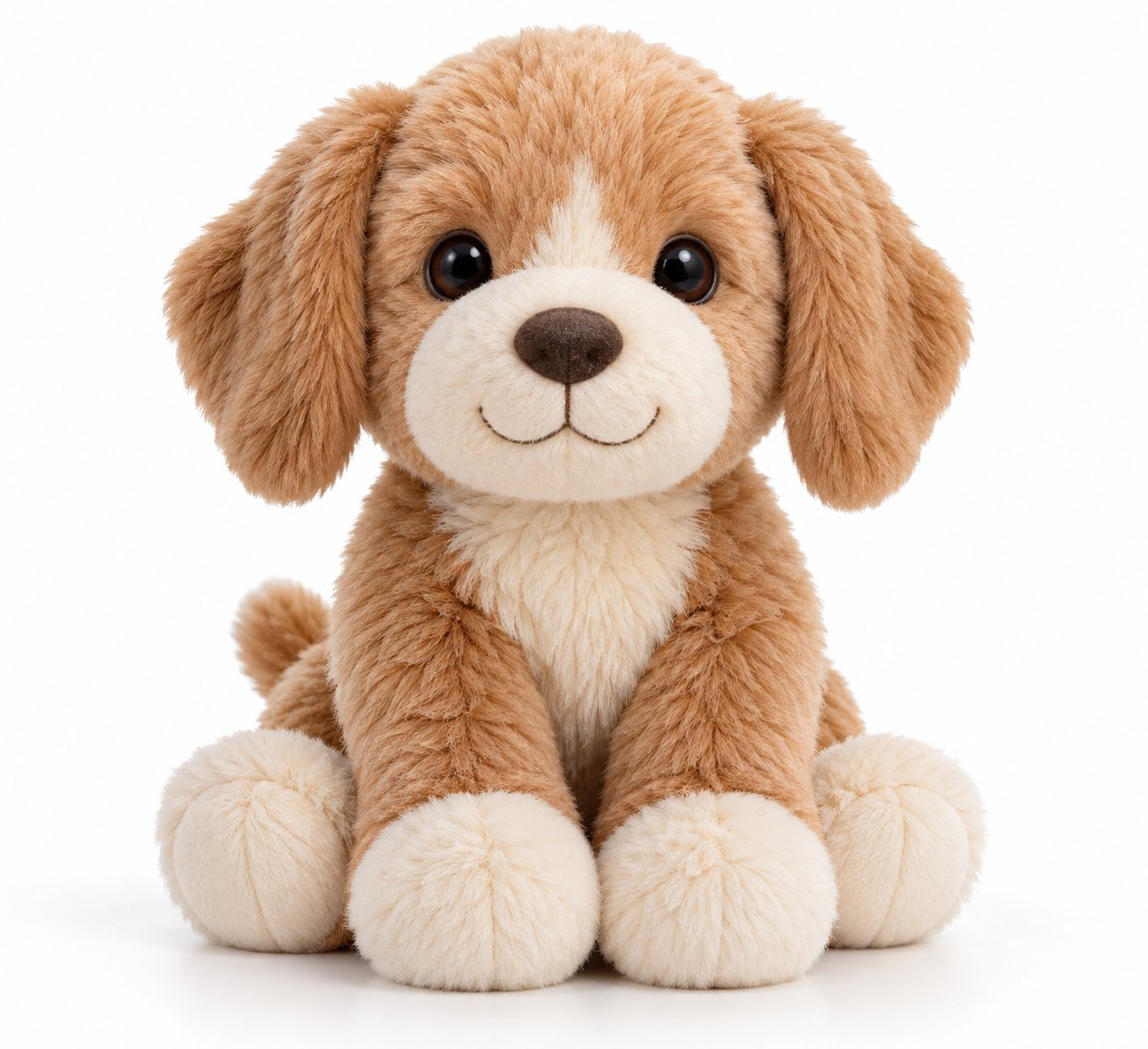
For a product example, see our custom plush stuffed animal with hypoallergenic filling, which is available in sizes from 20 cm to 60 cm and meets EN71 and ASTM F963 standards; ask for the test report covering your specific configuration.
Frequently Asked Questions
Is PP cotton the same as polyester fiber fill?
In most cases, yes. "PP cotton" is a common trade name for polyester fiber fill in the plush toy industry. However, always confirm the actual material composition with your supplier, as terminology can vary.
Can hypoallergenic filling be washed?
Most hypoallergenic polyester fills are washable, but you should confirm the recommended washing conditions with your supplier. Always test a sample before setting care instructions.
How do I know if the filling is safe for children?
Look for compliance with toy safety standards such as EN71 (Europe) or ASTM F963 (US). These standards cover mechanical and chemical safety, including the filling. Request the test reports for the specific product.
What is the minimum order quantity for custom plush toys?
MOQ varies by supplier. For example, our custom plush stuffed animal has an MOQ of 1,000 pieces. Always confirm MOQ and lead times with your supplier.
Choosing the right filling is a balance of feel, cost, and compliance. By knowing the common materials, understanding what hypoallergenic means, and verifying samples and QC reports, you can make a confident sourcing decision. If you have questions about filling options for your next plush toy program, feel free to reach out to our team.