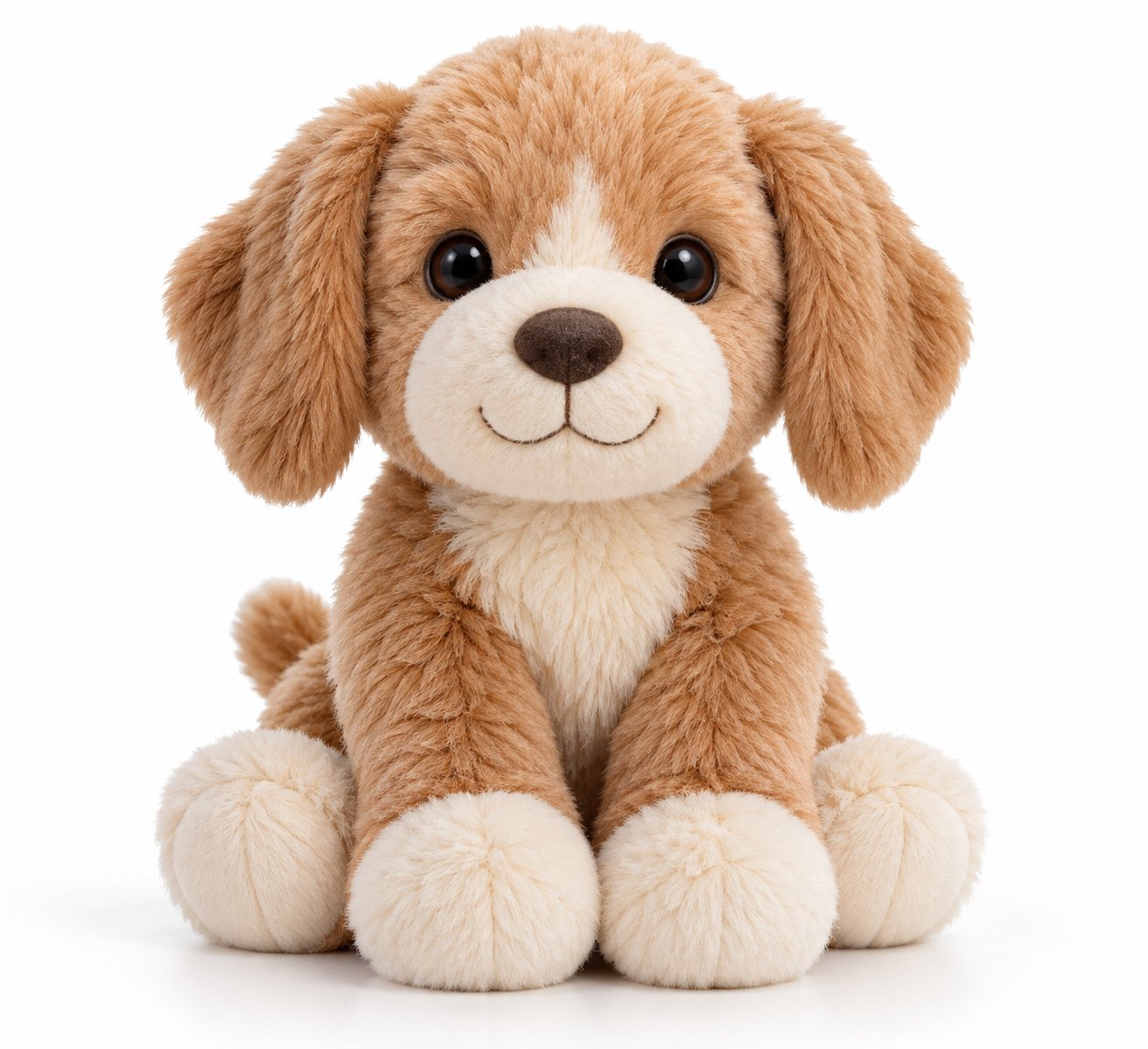
A buyer's guide to stuffed animal filling materials: polyester fiber, foam, cotton, and alternatives. Learn about hypoallergenic options, safety standards, and supply chain considerations when sourcing plush toys.
Sourcing Guide
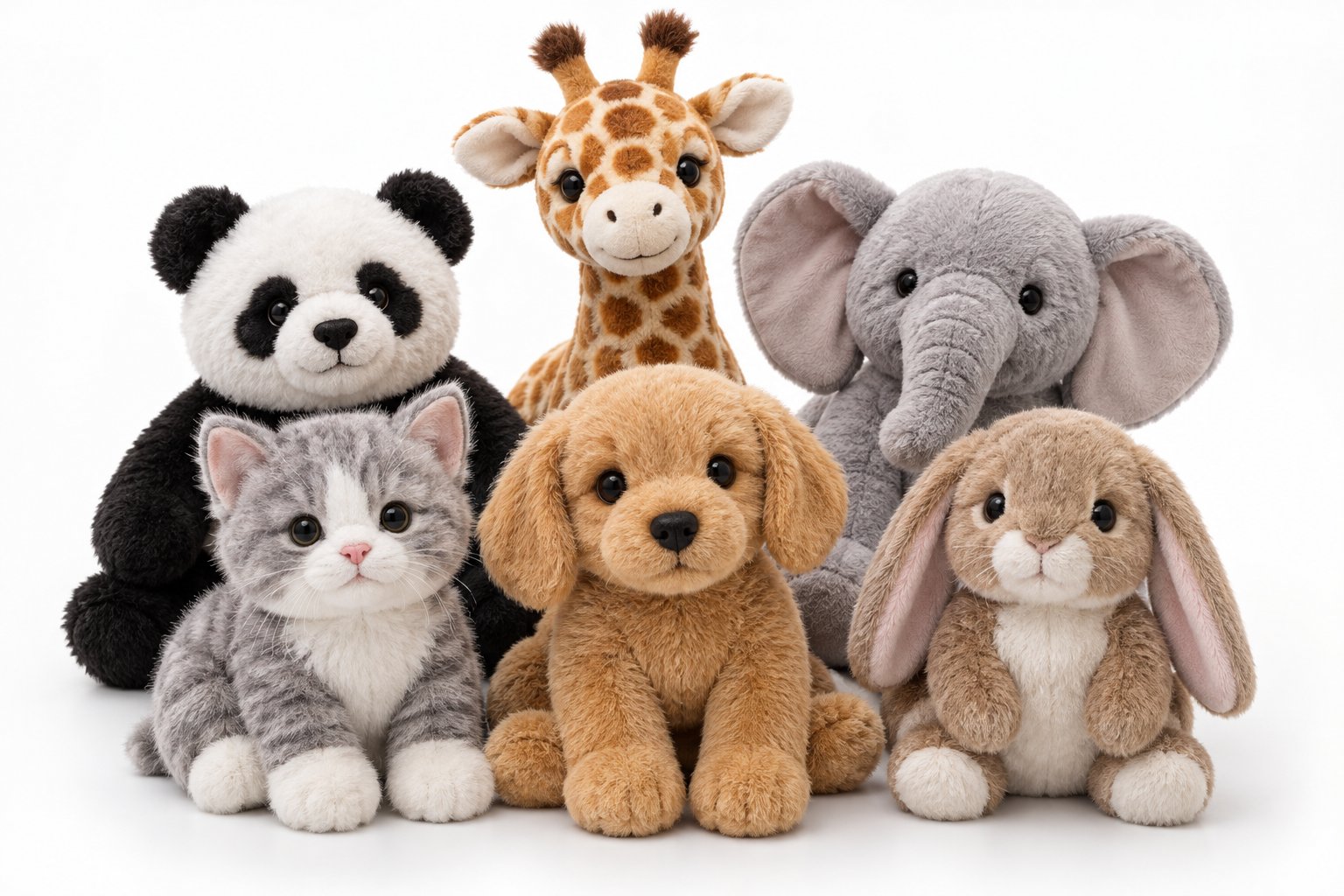
When buyers evaluate a custom plush stuffed animal program, the filling specification often determines whether the toy meets safety, comfort, and cost targets. This article explains what stuffed animal stuffing is made out of, how the main materials compare, and which questions to ask a supplier before placing an order.
Key Takeaways
- Polyester fiberfill is the most common plush stuffing due to its softness, resilience, and cost-effectiveness.
- Hypoallergenic filling typically means the material is synthetic, clean, and free from common allergens like dust mites or natural latex.
- Polyurethane foam and shredded foam are used for firmer shapes or specific applications.
- Compliance with ASTM F963, EN 71, and CPSIA requirements depends on the entire toy, not just the filling.
- Buyers should request material safety data sheets (MSDS) and test reports for the specific stuffing used.
Why the Filling Spec Matters for Plush Toys
The stuffing inside a plush toy affects more than how it feels. It influences shape retention after washing, compliance with flammability and toxicity standards, and the overall cost per unit. For B2B buyers, the filling material can also determine whether a product meets the requirements of specific markets, such as the EU or North America.
Understanding the options helps buyers communicate precise requirements to a custom plush stuffed animal manufacturer, avoid costly substitutions, and ensure the final product aligns with brand and regulatory expectations.
Common Materials Used for Stuffed Animal Stuffing
Polyester Fiberfill
Polyester fiberfill, also known as polyester staple fiber, is the industry standard for most plush toys. It is made from synthetic polymer fibers, typically produced from recycled or virgin PET. The fibers are crimped and carded to create a fluffy, resilient batt.
- Attributes: Soft, lightweight, machine washable, retains shape well, and does not absorb moisture easily.
- Hypoallergenic aspects: Polyester fiberfill is inherently resistant to dust mites and mold, and it does not contain natural proteins that trigger common allergies. However, “hypoallergenic” is not a regulated term for toys; buyers should confirm the fiber is clean and free from contaminants.
- Cost: Generally the most economical option for high-volume production.
- Sourcing note: Some suppliers offer recycled polyester fiberfill made from post-consumer PET bottles. If this is important for your brand, request documentation on the recycled content percentage and chain of custody.
Polyurethane Foam
Polyurethane foam is used when a plush toy needs a firmer structure, such as for a shaped head or body that must hold a specific form. It can be molded into precise shapes or cut from foam blocks.
- Attributes: Provides firm support, holds shape under pressure, and can be die-cut for consistency.
- Considerations: Foam may degrade over time if exposed to heat or UV light. It is less common for soft, huggable toys and more typical for decorative or collectible items.
- Hypoallergenic aspects: Like polyester, foam is synthetic and does not harbor dust mites. However, some foam formulations may release volatile organic compounds (VOCs) when new; ensure the supplier provides low-VOC or certified foam if this is a concern.
Shredded Foam
Shredded foam is made from pieces of polyurethane foam, often recycled from foam manufacturing waste. It is used as a filling for beanbag-style plush or to add weight and a different texture.
- Attributes: Provides a lumpy, dense feel; good for weighted toys.
- Considerations: Shredded foam can shift over time, leading to an uneven shape. It is also more difficult to clean than fiberfill.
Cotton and Natural Fibers
Cotton, wool, and other natural fibers are sometimes used for a more natural or traditional feel. However, they come with trade-offs.
- Attributes: Soft, breathable, and from renewable resources.
- Considerations: Natural fibers can absorb moisture, making them prone to mold and dust mites. They may also clump when washed. For these reasons, they are less common in mass-market plush toys and more often found in artisan or eco-focused products.
- Hypoallergenic aspects: Natural fibers are not inherently hypoallergenic; in fact, they can trigger allergies. If a buyer requires hypoallergenic filling, synthetic options are usually recommended.
Other Fillings
- Microbeads: Small polystyrene beads used for weighted blankets or sensory toys. They provide a unique feel but require secure stitching to prevent leakage.
- Kapok: A natural fiber from the kapok tree, lightweight and soft. It is biodegradable but can be expensive and may compress over time.
- Bamboo fiber: Sometimes marketed as eco-friendly, but its hypoallergenic properties are similar to other natural fibers and it may not be suitable for all washing methods.
Hypoallergenic Filling: What It Means for Buyers
The term “hypoallergenic” is often used in marketing, but for toys, there is no single regulatory definition. In practice, a hypoallergenic filling should:
- Be synthetic (e.g., polyester) to avoid natural allergens.
- Be free from dust, dirt, and contaminants during manufacturing.
- Not contain added chemicals that could cause skin irritation.
Buyers should ask suppliers for material safety data sheets (MSDS) and, if available, test reports from accredited labs confirming the filling is free from harmful substances. For markets like the EU, the filling must comply with EN 71-3 (migration of certain elements) and REACH regulations. In the US, the Consumer Product Safety Improvement Act (CPSIA) sets limits on lead and phthalates.
How to Compare Stuffing Materials: A Buyer's Checklist
| Material | Softness | Shape Retention | Hypoallergenic | Washability | Cost |
|---|---|---|---|---|---|
| Polyester Fiberfill | High | Good | Yes (synthetic) | Machine washable | Low |
| Polyurethane Foam | Low to Medium | Excellent | Yes (synthetic) | Surface wash only | Medium |
| Shredded Foam | Medium | Fair | Yes (synthetic) | Spot clean | Low |
| Cotton/Natural | High | Fair | No | Hand wash, may clump | Medium to High |
| Microbeads | Low | N/A | Yes (synthetic) | Spot clean | Medium |
Questions to Ask Your Plush Supplier
Before finalizing a custom plush stuffed animal order, clarify the following with your supplier:
- Material specification: What type of filling is used? Is it virgin or recycled? What is the fiber denier and cut length?
- Safety documentation: Can you provide MSDS and test reports for the filling? Are they from an accredited third-party lab?
- Compliance: Does the filling meet the requirements for our target market (e.g., CPSIA, EN 71, REACH)?
- Washing instructions: How does the filling perform after multiple wash cycles? Are there recommended care instructions?
- Hypoallergenic claims: Can you substantiate any hypoallergenic claims with test data or certificates?
- Supply chain: Who is the filling supplier? Can you provide a certificate of origin or recycled content certification if applicable?
Frequently Asked Questions
Polyester fiberfill is generally considered safe for infant toys when the finished product complies with applicable safety standards. However, always ensure the toy has no loose parts and meets the requirements of your target market.
Yes. Most manufacturers offer hypoallergenic options, typically using polyester fiberfill. Specify your requirement and ask for supporting documentation.
Polyester fiberfill is the most common due to its softness, resilience, and cost-effectiveness.
Natural fillings like cotton or kapok are biodegradable, but they may require more resources to produce and can be less durable. Recycled polyester fiberfill is an alternative that diverts plastic waste. The best choice depends on your sustainability goals and target market.
Next Steps for Buyers
When sourcing plush toys, the filling specification should be part of your technical pack. Request samples with different fillings to evaluate feel and performance, and always verify compliance documentation. A reliable supplier will welcome these questions and provide the necessary evidence.
For buyers developing a custom plush stuffed animal line, working with a manufacturer experienced in hypoallergenic filling and international safety standards can reduce risks and streamline the approval process.
This article is for general informational purposes only and does not constitute legal or compliance advice. Buyers should consult qualified professionals for specific regulatory requirements.