A practical comparison of manufacturer-direct, wholesale marketplace, and trade fair sourcing for wooden educational toys, written from the manufacturer side. Includes a buyer vetting checklist, OEM/ODM sampling notes, and compliance considerations for North American and European retail buyers.
Sourcing Guide
You know the category works for your shelves. Wooden educational toys hold up to repeat play, photograph well, and fit the open-ended play brief that keeps parents coming back. The open question is where to buy them. The three common routes—manufacturer-direct, wholesale marketplace, and trade fair—look similar in a search results page but behave differently once you are placing repeat orders, launching private-label SKUs, or need a compliance file before a shipment clears customs.
This comparison is written from the manufacturer side. We ship wooden toys and other categories to retail and wholesale buyers, so we see how each channel plays out at the sampling stage, in production, and after the first order.
- Manufacturer-direct suits buyers who need OEM/ODM development, consistent production, and direct access to quality records.
- Wholesale marketplaces trade flexibility for less visibility into who actually makes the product.
- Trade fairs are strongest for relationship-building and comparing factories in person, but they still require follow-up vetting.
- Whichever channel you use, vet the factory against safety certifications, QC process, and sampling workflow before committing.
Channel 1: Manufacturer-direct
Working directly with a factory is the shortest path to information. You ask a question about wood species, finish, or small-parts testing and you get an answer from the people who run the line—not a marketplace account manager relaying it through a third party.
The trade-off is that you take on more of the vetting yourself. Nothing filters the supplier for you, so you need to confirm licensing, capacity, and compliance directly.
What direct sourcing tends to make easier:
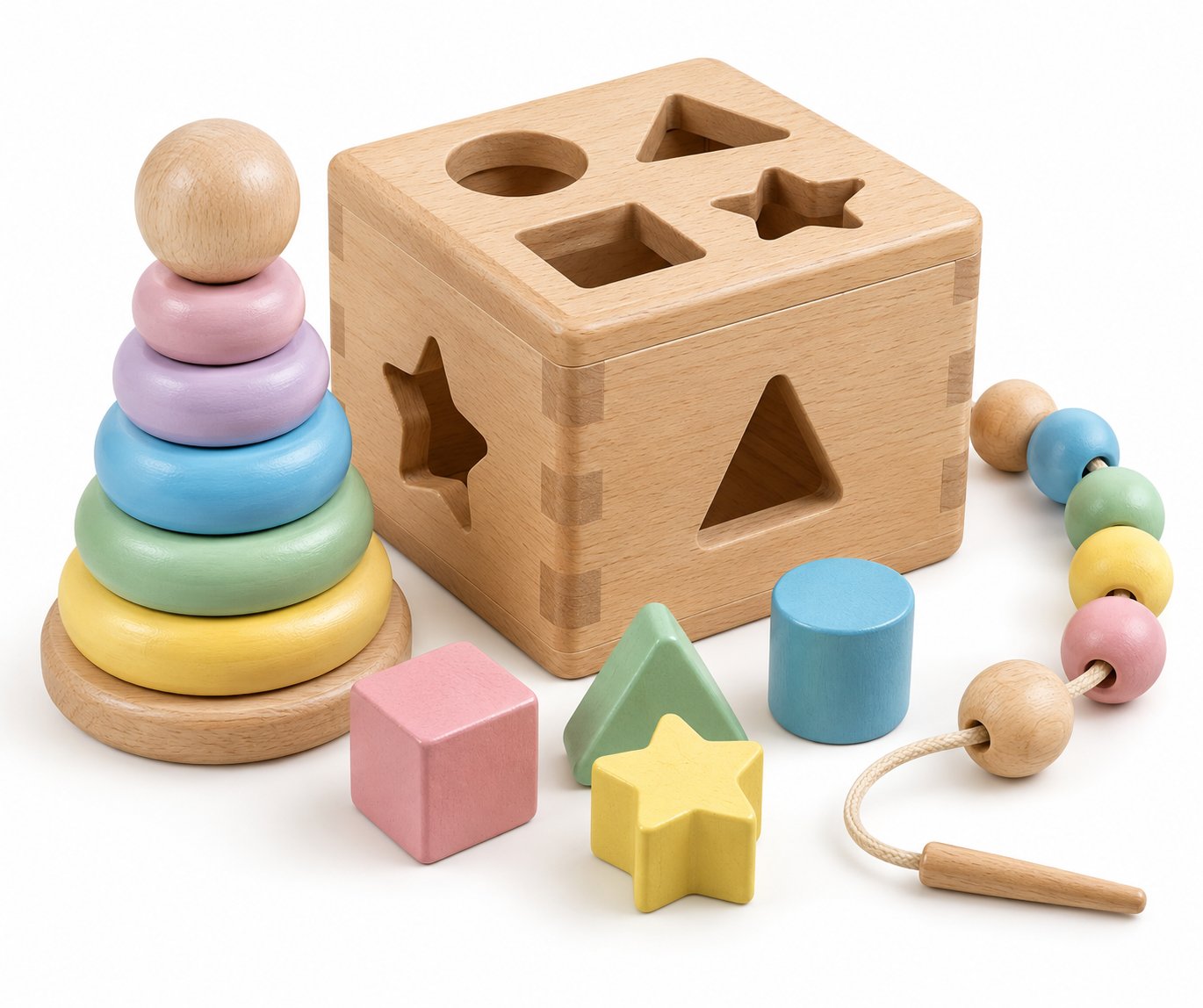
- Custom work. If you want a wooden Montessori educational toy set in your own color palette, box size, or brand language, a factory with in-house sampling can take a brief and work it up to an approved sample. A trading account on a marketplace usually cannot change the product at that level.
- Consistency across repeat orders. When the same factory runs your SKU, material sourcing and production parameters stay in one place. That matters for wooden toys, where wood grain, finish, and dimensional tolerance vary more than molded plastic.
- Documentation access. Safety test reports, material inspection records, and process documentation originate at the factory. Asking for them directly avoids the delay of an intermediary requesting them on your behalf.
Channel 2: Wholesale marketplaces
Marketplaces aggregate thousands of suppliers behind one interface. For a buyer testing a new category with a small first order, that convenience is real: you can compare listed products quickly, and some platforms handle payment protection or logistics support.
The limits show up once you move past browsing:
- You do not always know who makes the product. Many listings come from trading companies that outsource production. The factory that actually runs your order may change between batches, which complicates consistency and traceability.
- Customization is usually shallow. Logo printing or packaging insert changes are common; structural changes to a wooden shape sorting cube or a number puzzle board are often outside what the listing supports.
- Compliance responsibility shifts to you. Marketplace listings may display a certificate image, but it does not automatically cover the specific unit, finish, or batch you receive. For North American and European importers, the legal responsibility for the goods still sits with the importer.
Marketplaces can work as a discovery tool. Treat them as a starting point—then verify the manufacturer behind the listing before you build a purchase order around it.
Channel 3: Trade fair sourcing
Trade fairs compress a supplier shortlist into a few days. You can handle samples, compare finish quality side by side, and read how a factory responds to technical questions in person. For wooden educational toys, where surface feel and edge finishing matter, seeing the product in hand beats a spec sheet.
Fujian Lequ Wanwan Co., Ltd. exhibits at Spielwarenmesse, Canton Fair Phase 3, and the Hong Kong Toys and Games Fair. Buyers who meet us at these shows can review wooden toy samples, discuss OEM/ODM briefs, and see factory documentation before placing an order.
Two practical caveats on fair sourcing:
- A booth is a meeting point, not an audit. The samples on display represent the factory's best work. Confirm production capability, QC process, and certification scope through follow-up before you commit.
- Follow-up discipline decides the outcome. Collect the same information from every supplier you meet, in the same format, so you can compare them after the show rather than relying on memory.
Side-by-side comparison
| Decision factor | Manufacturer-direct | Wholesale marketplace | Trade fair |
|---|---|---|---|
| Who you are talking to | Factory staff—sales, engineering, QC | Often a trading account; factory identity varies | Factory representatives, in person |
| Customization depth | OEM/ODM: colors, sizes, materials, packaging, branding | Mostly logo and packaging changes | Discussed at the show, developed after |
| Quality visibility | Direct access to in-house QC lab and records | Limited; depends on the listing | Sample inspection only until you follow up |
| Speed to first order | Slower—sampling and vetting take time | Faster for stock items | Medium—relationship starts at the show |
| Best for | Repeat programs, private label, compliance-heavy markets | Category testing, small initial buys | Building a shortlist and comparing factories |
Lead times, MOQs, and pricing vary by factory and order; confirm them directly with each supplier rather than assuming a channel standard.
Buyer vetting checklist
Channel choice matters less than what you verify once you have a candidate. Use the same checklist across all three channels.
- Safety certification, matched to the product. For wooden toys sold in the EU and North America, confirm the factory holds EN71 and ASTM F963 certificates—and check that the certificate covers the product category you are buying, not just the company name.
- Quality management system. ISO 9001:2015 certification indicates a documented quality process. Ask how that process applies to incoming wood inspection, small-parts testing, and finished-product checks.
- In-house QC capability. A factory that tests materials and finished goods on its own premises can catch issues before shipment. Fujian Lequ Wanwan operates an in-house QC laboratory for material inspection, small-parts testing, and finished-product checks.
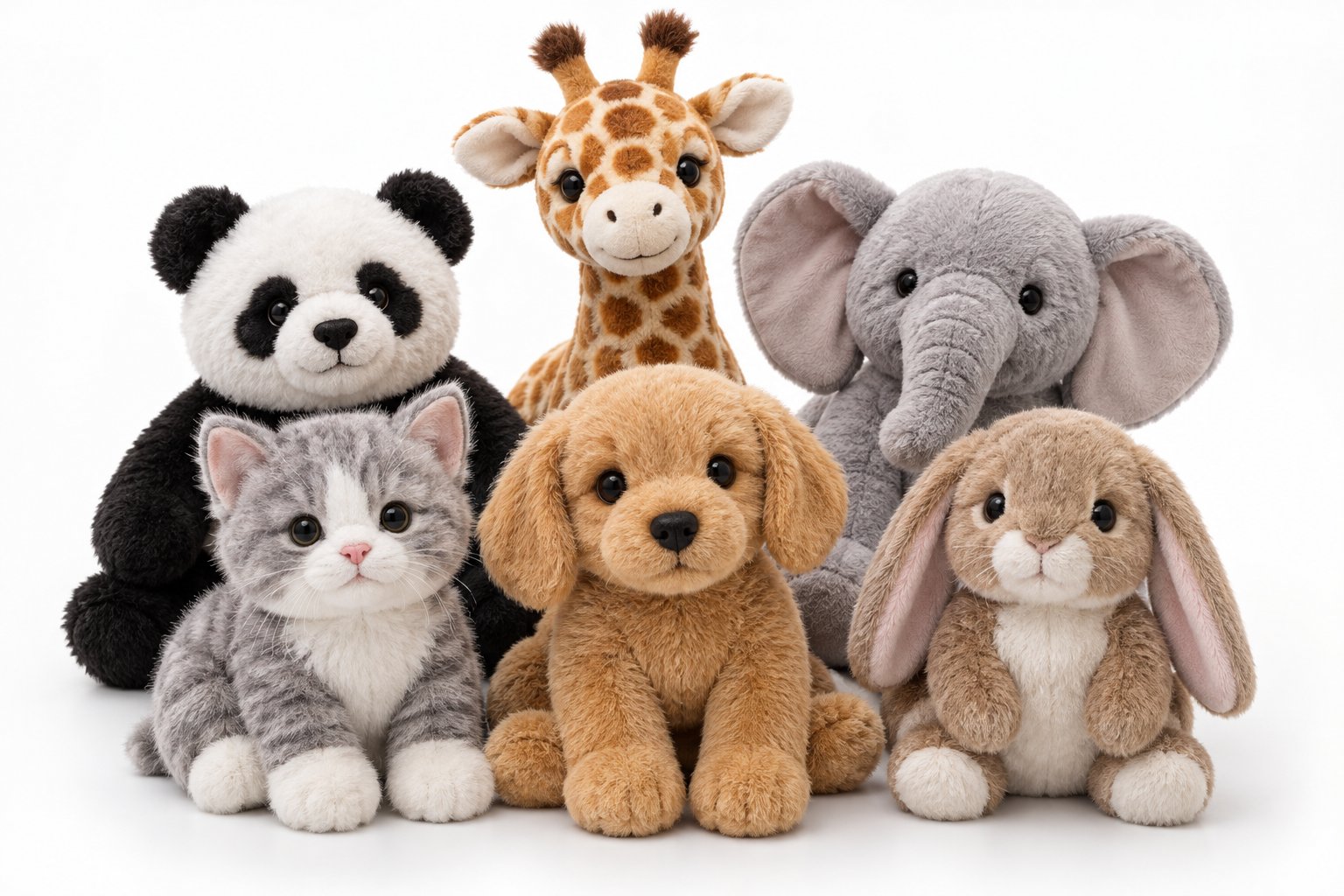
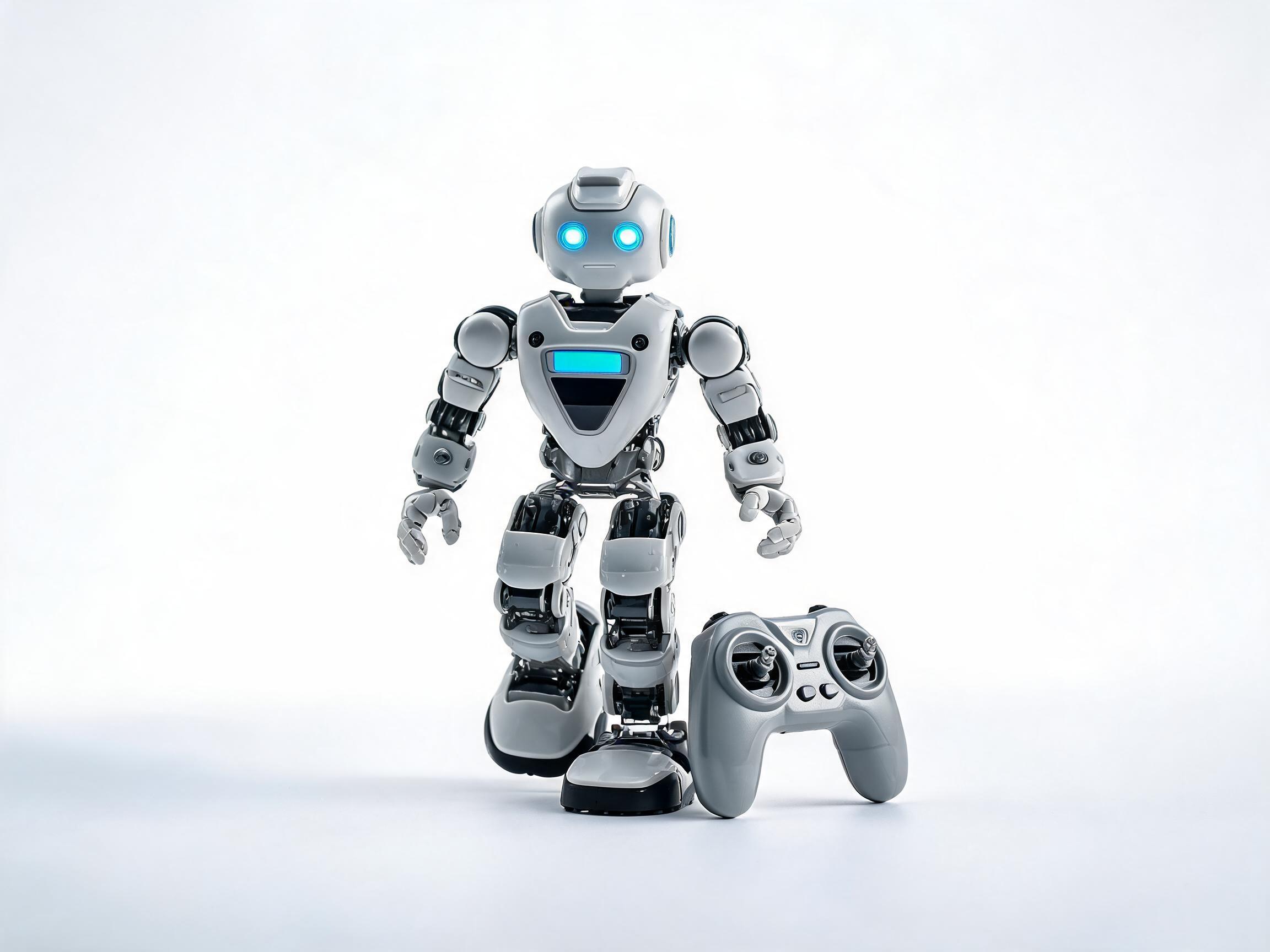
- Production capacity. Ask what the factory can run per month and whether your forecast fits alongside existing programs. Fujian Lequ Wanwan runs six production lines with a monthly capacity of 1.2 million pieces across educational, plush, outdoor, and RC toy categories.
- Sampling process. Confirm whether the factory develops samples in-house from a brief, and what the approval steps look like. A clear path from brief to approved sample reduces surprises at bulk production.
- Communication and documentation. Establish who your contact is, how changes are confirmed, and what records accompany each shipment.
OEM/ODM and sampling: what direct sourcing adds
If your plan involves your own brand or a modified product, OEM/ODM capability is the deciding factor. A factory that only resells catalog items cannot change a wooden number puzzle board's dimensions, wood type, or finish to match your brief.
A working OEM/ODM process generally moves through these stages:
- Brief. You provide the product concept, target age range, and any compliance requirements for your market.
- Sampling. The factory develops a sample with the requested colors, sizes, materials, packaging, and branding. Fujian Lequ Wanwan handles OEM/ODM sampling from brief to approved sample with these customization options.
- Review and revision. You inspect the sample, test it with your team, and request changes. Most of the cost and risk in custom wooden toys sits in this loop, so budget time for at least one revision round.
- Approval and production. The approved sample becomes the reference for bulk. Hold onto it—it is your baseline if a later batch is questioned.
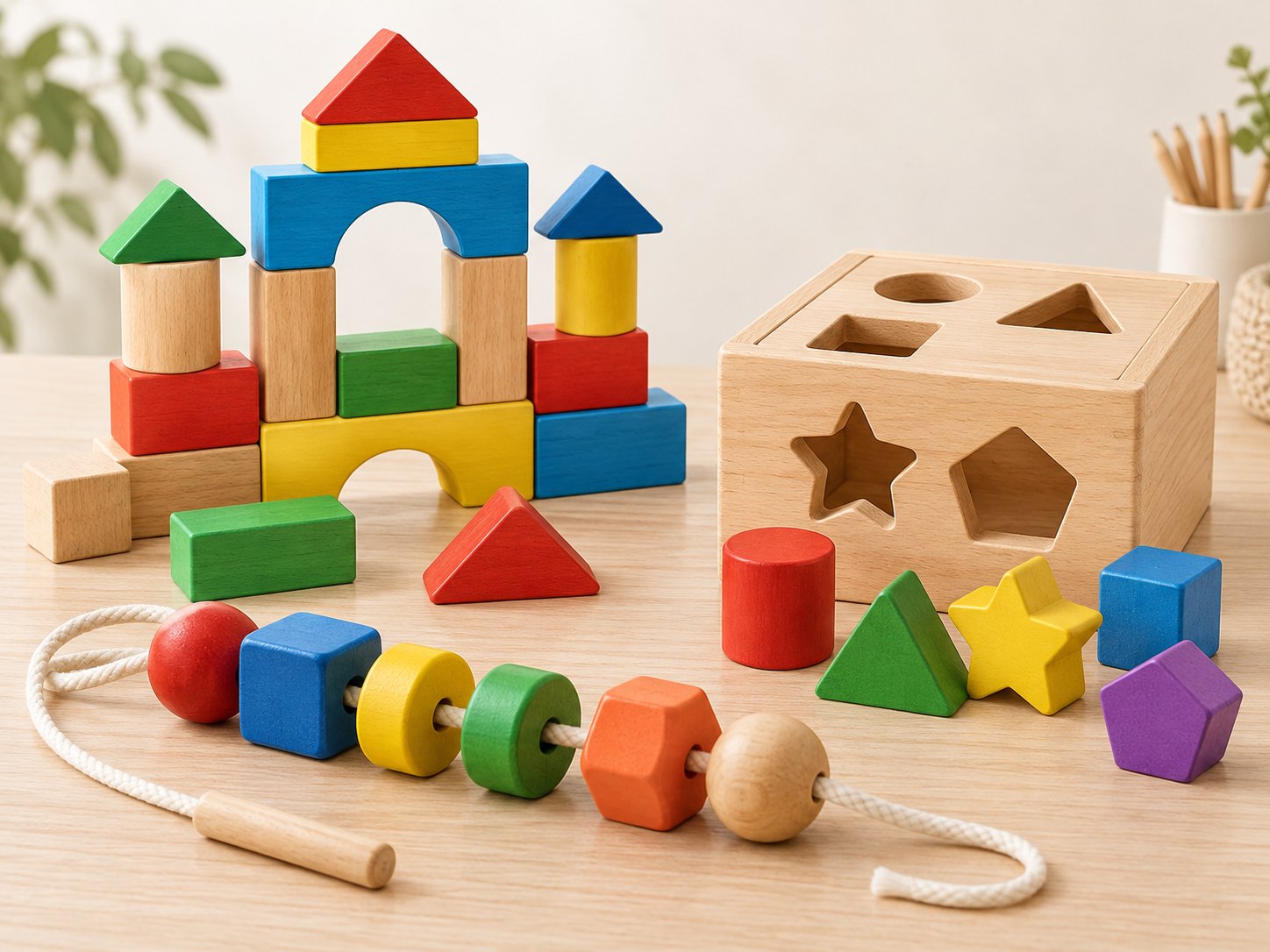
Sample wooden toy ranges you can use as a starting point for discussion include a wooden Montessori educational toy set, a wooden shape sorting cube, and a wooden number puzzle board. These are products we manufacture, so the sampling conversation starts from an existing base rather than a blank page.
FAQ
Which channel is best for a first order of wooden educational toys?
If you are testing the category, a wholesale marketplace can get you stock quickly, but verify the manufacturer behind the listing. If you plan to build a repeat program or your own brand, start manufacturer-direct so sampling and compliance work happen once, in the right place.
Can I get wooden toys made with my own branding and packaging?
Yes, if the factory offers OEM/ODM. Fujian Lequ Wanwan provides customization of colors, sizes, materials, packaging, and branding, with sampling from brief to approved sample. Confirm the specific changes you need against the factory's sampling capability before committing.
What certifications should I ask for?
For wooden toys sold in the EU and North America, ask for EN71 and ASTM F963 certificates. Check that the certificate applies to the product category you are buying. Also ask about ISO 9001:2015 quality management certification and how the factory's QC process covers your order.
How do I verify a factory found through a marketplace or trade fair?
Request the same checklist items from every candidate: certification scope, QC process, capacity, sampling workflow, and documentation. A trade fair meeting gives you a first impression, but the verification still happens afterward through samples, records, and direct questions.
Next step
The right channel depends on what you are buying and how much control you need. If your program involves custom wooden educational toys, private-label packaging, or a compliance file for North American or European retail, manufacturer-direct sourcing from a factory with in-house sampling and QC is the most direct route.
You can start by reviewing the wooden toy products linked above, or contact us to discuss an OEM/ODM brief. If you will be at Spielwarenmesse, Canton Fair Phase 3, or the Hong Kong Toys and Games Fair, we are happy to arrange a sample review at the booth.