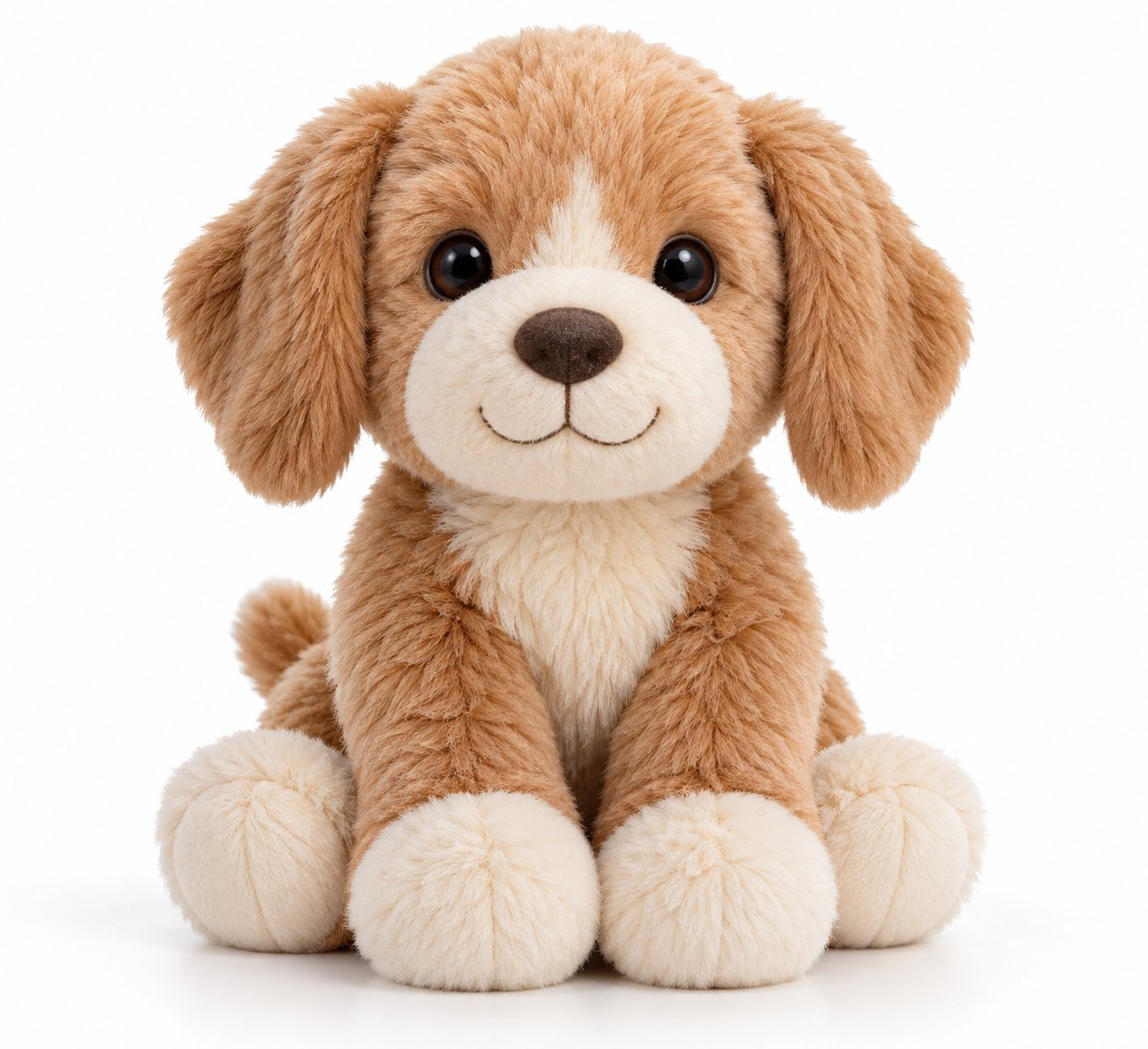
Plush toys are typically stuffed with polyester fibre fill, cotton-type fills, or specialty foams. For hypoallergenic options, buyers should specify polyester fibre and request EN71/ASTM F963 compliance. This article explains filling categories and how to source safe, compliant plush toys from Fujian Lequ Wanwan.
If you are sourcing plush toys, the most common answer to "what are plush toys stuffed with?" is polyester fibre fill — a synthetic, resilient material that holds shape well and is available in hypoallergenic grades. Other options include cotton-type fills, which offer a softer hand feel but are less common in mass production, and specialty fills such as foam or microbeads for specific tactile effects. For buyers targeting allergy-conscious markets, the practical choice is a clean, virgin polyester fibre that meets EN71 or ASTM F963 safety standards, and you should confirm the exact filling specification with your supplier for each model.
Common Filling Types for Plush Toys
Plush toy filling falls into three broad categories. Each has distinct properties that affect cost, feel, durability, and safety compliance. The table below summarizes the typical options you will encounter when sourcing from Asian manufacturers.
| Filling Type | Typical Composition | Key Characteristics | Common Use Cases |
|---|---|---|---|
| Polyester Fibre Fill | Virgin or recycled polyester staple fibre | Resilient, lightweight, holds shape, hypoallergenic grades available | General plush toys, stuffed animals, baby comfort toys |
| Cotton-Type Fill | Cotton or cotton-blend fibre | Soft, breathable, heavier, less resilient | Premium or natural-fibre lines, smaller plush items |
| Specialty Fills | Foam, microbeads, or blended fibres | Specific tactile effects (e.g., weighted, squishy, or beanbag feel) | Novelty plush, sensory toys, specific licensed characters |
Polyester fibre fill dominates because it is cost-effective, washable, and can be produced in hypoallergenic variants that resist common allergens. Cotton-type fills appeal to buyers seeking a more natural story but are harder to keep consistent in shape and are generally more expensive. Specialty fills are used sparingly for specific features and may require additional safety testing.
Hypoallergenic Filling: What Buyers Need to Know
"Hypoallergenic" is not a regulated term in most markets. In practice, it describes fillings designed to reduce common allergen sources — for example, fibres processed to control dust-mite, mould and chemical residues — so it is a material claim to verify with documents, not a certification in itself. For plush toys, hypoallergenic filling is typically a clean, virgin polyester fibre processed to remove impurities. EN71 (Europe) and ASTM F963 (North America) are toy safety standards, not hypoallergenic certifications: ask for the safety test reports and the filling specification as separate documents.
When sourcing hypoallergenic plush toys, ask your supplier for:
- Material safety data sheets (MSDS) for the filling.
- Test reports covering EN71 — including EN71-3 for migration of certain elements, together with the mechanical/physical and flammability parts — and ASTM F963. A single EN71-3 report does not demonstrate compliance with the whole standard.
- Confirmation that the filling is virgin (not recycled from unknown sources) if you require the highest purity.
- Details on any added finishes, such as anti-microbial treatments, and their safety documentation.
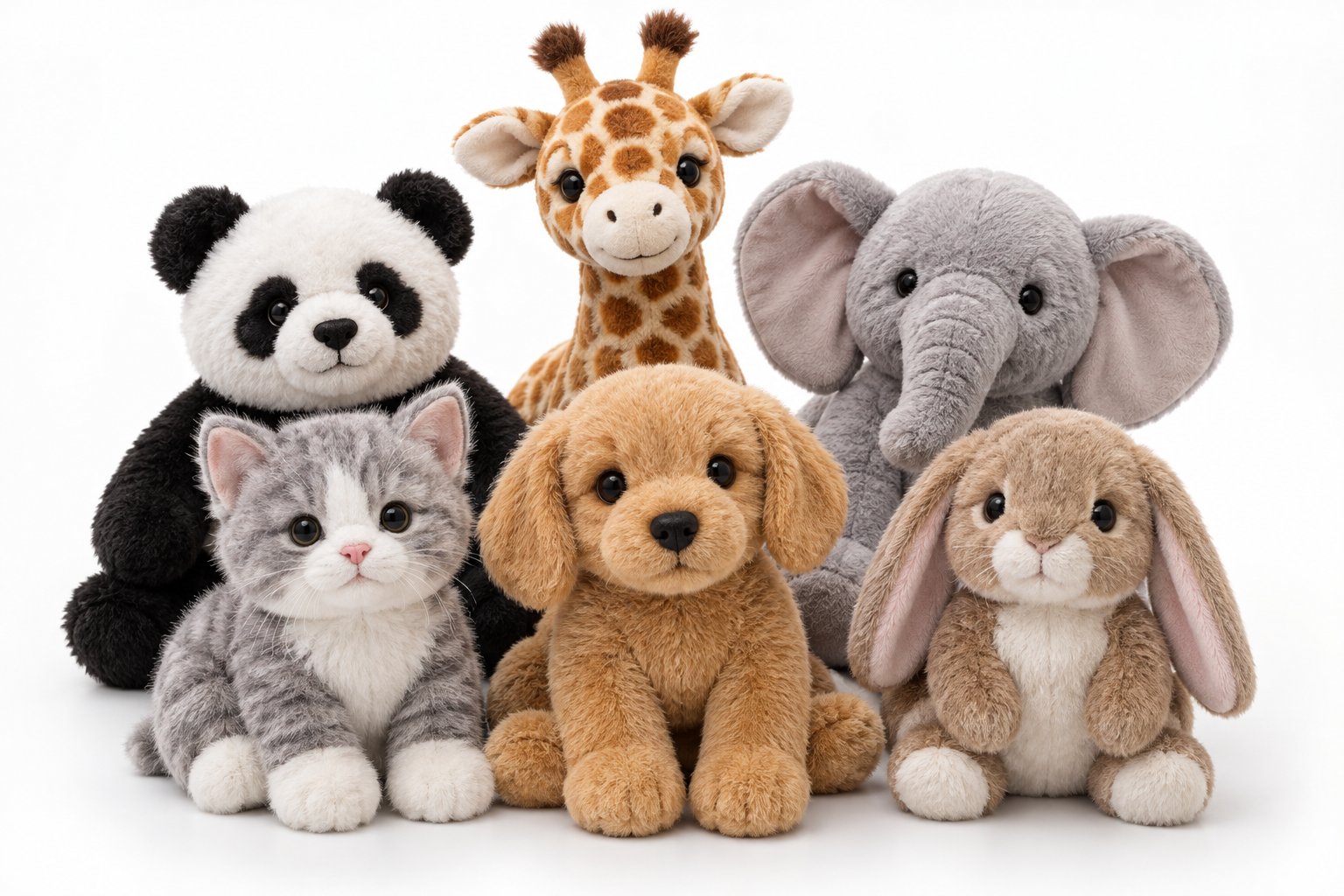
At Fujian Lequ Wanwan, our Custom Plush Stuffed Animal with Hypoallergenic Filling is designed for gifting and infant use (0+ years), with sizes from 20–60 cm and MOQ of 1000 pcs. The filling is a hypoallergenic polyester fibre, and the product is EN71 and ASTM F963 compliant. For a more detailed breakdown of filling material properties and how to evaluate them, see our guide Stuffed Animal Stuffing Materials: What Buyers Should Check.
Safety Considerations for Infants and Toddlers
For plush toys intended for children under 3, additional safety factors come into play. All components — including filling, fabric, and any embellishments — must be securely enclosed to prevent choking hazards. Embroidered features are preferable to plastic eyes or noses. Our Plush Teddy Bear Comfort Toy for Infants illustrates this approach: it uses hypoallergenic polyester fibre filling, embroidered eyes and nose with no plastic parts, and double-stitched seams. The 30 cm seated height and short-pile plush surface make it easy to wipe clean, and it meets the same EN71 and ASTM F963 standards.
Key Takeaways
- Most plush toys are stuffed with polyester fibre fill; hypoallergenic grades are available.
- Cotton-type fills offer a natural feel but are less common in mass production.
- For allergy-sensitive markets, specify virgin polyester fibre and request EN71/ASTM F963 test reports.
- Always confirm the exact filling specification with your supplier for each model.
How to Source Hypoallergenic Plush Toys: OEM Guidance
If you are developing a private-label plush toy line for North American or European retailers, the filling specification is a critical part of your product brief. Here are practical steps to ensure you get the right filling and documentation:
- Define the target market and age group. This determines which safety standards apply (e.g., EN71 for Europe, ASTM F963 for the US) and whether additional requirements like CPSIA apply.
- Specify the filling type and grade. State whether you require virgin polyester, recycled polyester, or a cotton blend, and whether hypoallergenic properties are needed.
- Request samples and test reports. Ask for a pre-production sample made with the intended filling, along with third-party test reports covering the applicable parts of EN71 and ASTM F963 — not EN71-3 alone.
- Confirm packaging and labelling. Ensure the filling composition is correctly declared on the label and that packaging meets your retailer's requirements.
Fujian Lequ Wanwan provides OEM/ODM services with sampling from brief to approved sample. Our in-house quality control laboratory and EN71/ASTM F963 certification certificates support your compliance needs. We also offer a range of plush fabrics; for a deeper look at faux fur options, see What Is Stuffed Animal Fur Made Of? Faux Fur Explained.
Frequently Asked Questions
Are all polyester fibre fills hypoallergenic?
No. Hypoallergenic properties depend on the purity of the fibre and the manufacturing process. Clean virgin polyester fibre supplied with EN71/ASTM F963 safety reports is a strong starting point, but the safety standard itself does not certify hypoallergenic performance — always request the filling specification, test reports and material safety data sheets from your supplier.
Can plush toys be machine washed?
Washability depends on the filling and fabric. Polyester fibre fill is generally more resilient to washing than cotton-type fills, but always follow the care instructions and test a sample before committing to a large order. Some plush toys with specialty fills or electronic components may not be machine washable.
What is the MOQ for custom hypoallergenic plush toys?
At Fujian Lequ Wanwan, our standard MOQ for custom plush toys with hypoallergenic filling is 1000 pcs. This applies to our custom plush stuffed animal and plush teddy bear comfort toy lines. For specific requirements, please contact us to discuss.
Do you provide certification for EN71 and ASTM F963?
Yes, we hold EN71 and ASTM F963 certification certificates for applicable products. We can provide copies of these certificates upon request, and we recommend that buyers verify the certificate scope covers the specific product and age group.