
A transparent look at where toys are actually made, how the production process runs from order to shipment, and a practical checklist for verifying a toy factory before you place an order.
If you're sourcing toys for retail or distribution, one of your first questions is likely: where is the toy factory? The answer is straightforward—much of the world's toy production is concentrated in China, and within China, provinces like Guangdong, Zhejiang, and Fujian host thousands of manufacturers. But knowing the country is only the starting point. What matters more is understanding how a toy factory operates and how to verify that a specific supplier can meet your requirements.
This article is written by Fujian Lequ Wanwan Co., Ltd., a toy manufacturer based in Fujian, China. We produce educational, plush, outdoor sports, and RC/electronic toys for North American and European buyers, with OEM/ODM customization. Below, we explain the typical production journey and give you a practical checklist for evaluating any toy factory before you order.
What's in this guide:
Where Are Toys Made?
China remains the largest toy exporter globally, and for good reason: mature supply chains for plastics, fabrics, electronics, and packaging are all available within a few hours' drive of major manufacturing hubs. Fujian, where our factory is located, is a well-established region for toy production, particularly for plush and plastic toys.
That said, "Made in China" covers a wide range of factory types—from small workshops to vertically integrated manufacturers. The key is to identify which type you're dealing with and whether they have the processes and documentation your order requires.
The Production Journey: From Order to Shipment
While every toy is different, most production follows a similar path. Here's how it works for two common categories: injection-molded plastic toys and cut-and-sew plush toys.
1. Materials In and Molding (Plastic Toys)
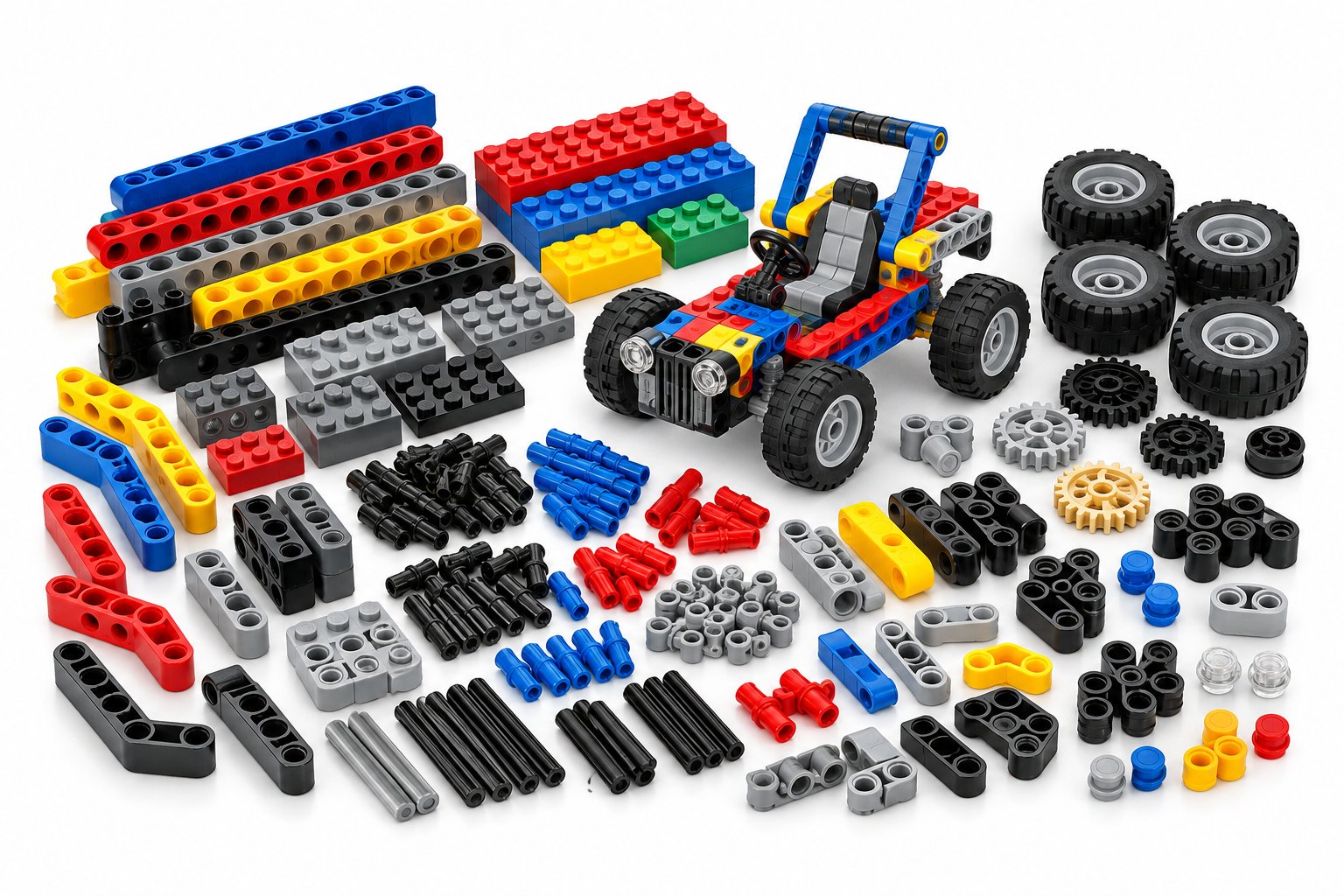
For plastic toys, production begins with raw material selection. For example, our STEM Building Blocks Set with 120 Pieces uses ABS plastic that is BPA-free. The plastic pellets are fed into injection molding machines, where they are heated and injected into steel molds to form components like beams, plates, wheels, and connectors. These parts are designed for press-fit assembly without tools.
Mold quality directly affects part consistency and surface finish. Factories typically maintain their own molds or work with specialized mold makers.
2. Cut-and-Sew Production (Plush Toys)
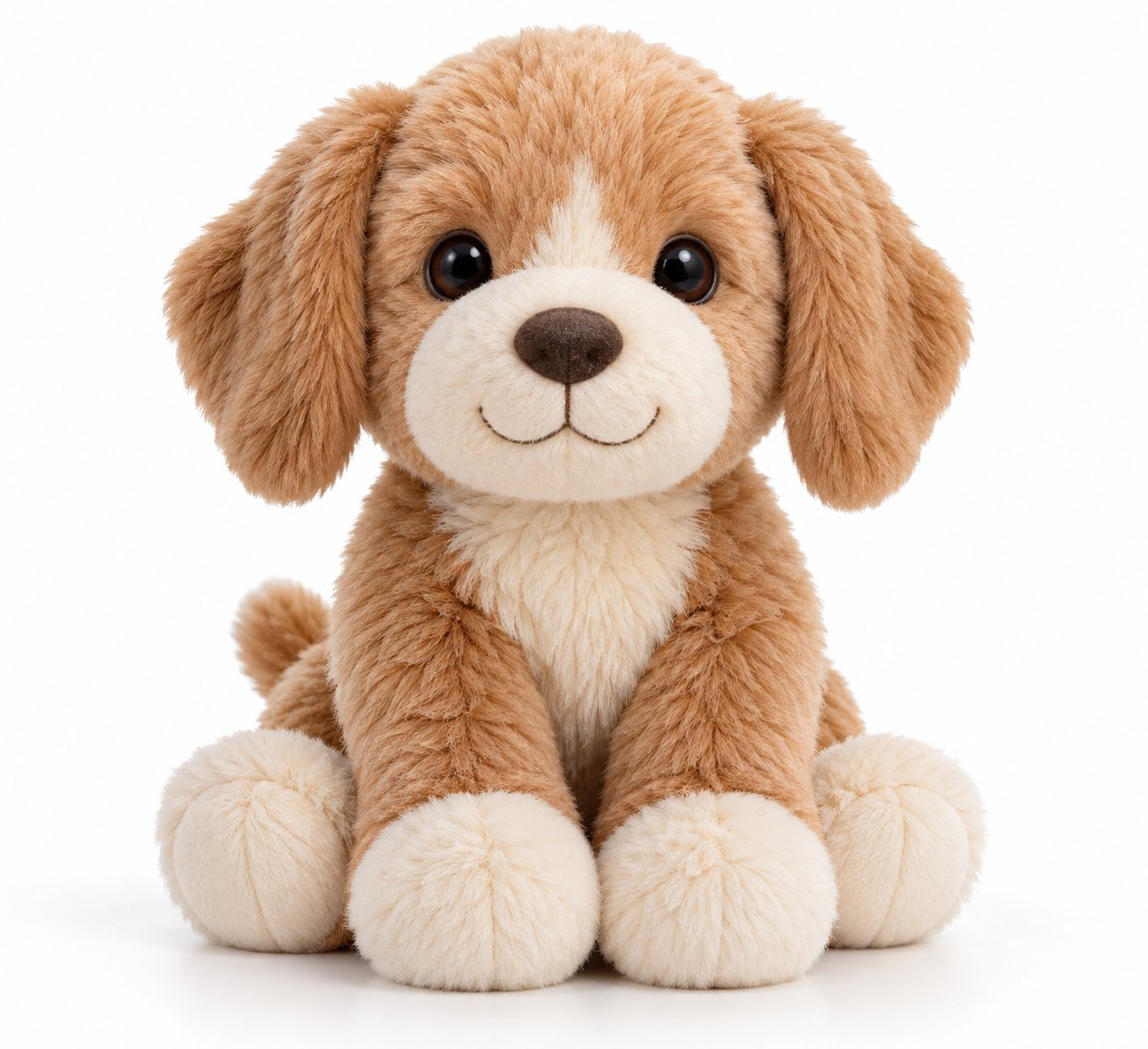
Plush toys follow a different route. Fabric is cut according to pattern pieces, then sewn together inside-out, leaving an opening for stuffing. After turning and stuffing with hypoallergenic filling, the toy is closed and finished. Our Custom Plush Stuffed Animal with Hypoallergenic Filling is available in sizes from 20 cm to 60 cm, with a minimum order quantity of 1000 pieces.
3. Assembly and Quality Control
After components are produced, they move to assembly. For plastic toys, this may involve snapping parts together or attaching electronics. For plush, it's stuffing and final stitching. Throughout assembly, inline quality checks catch issues early—things like loose threads, sharp edges, or inconsistent colors.
Final quality control typically includes functional testing (e.g., wheels turn, sounds play), visual inspection, and packaging checks. Factories serving export markets should have a documented QC process.
4. Certification Checks
Compliance is non-negotiable for toys sold in North America and Europe. Depending on the product and destination, relevant standards include EN71 (Europe) and ASTM F963 (US). Our STEM building blocks and plush stuffed animals are both EN71 / ASTM F963 compliant. Factories should be able to provide test reports from accredited third-party labs for the specific product you're ordering.
5. Packaging and Export Cartons
Once quality is confirmed, products are packed according to your specifications—poly bags, color boxes, or blister packs. Export cartons are then assembled, labeled, and palletized. Packaging details like carton quantity and dimensions are usually agreed upon during quoting. For example, our STEM building blocks set ships 12 sets per carton, with an MOQ of 500 sets.
How to Verify a Toy Factory Before Ordering
Before you commit to a purchase order, use this checklist to evaluate any potential supplier. It's based on what buyers typically ask us during the sampling stage.
| Area | What to Check | Why It Matters |
|---|---|---|
| Sample Review | Request a pre-production sample. Check materials, workmanship, colors, and functionality against your specifications. | Confirms the factory can execute your design before mass production. |
| Certification Documents | Ask for test reports (EN71, ASTM F963) for the exact product. Verify the report covers the materials and age group. | Ensures compliance with destination market regulations. |
| MOQ and OEM/ODM Terms | Clarify minimum order quantities and whether customization (logo, packaging, design) is available. Understand tooling costs if applicable. For reference, our STEM building blocks start at 500 sets and custom plush at 1000 pieces. | Aligns order size with your budget and sales plan. |
| Communication and Lead Time | Ask for a production schedule. Confirm lead times for sampling, mass production, and shipping. Check responsiveness during the inquiry stage. | Predictable timelines are critical for retail planning. |
Tip: Don't rely solely on a factory's website. Ask for a video walkthrough of the production floor or, if possible, schedule a third-party inspection before shipment. Transparency at the sampling stage is a good indicator of how the factory handles mass production.
FAQ
Can I customize toys with my own branding?
Yes, OEM/ODM customization is available for many products, including our STEM building blocks and plush stuffed animals. This can include custom colors, packaging, and logos, subject to minimum order quantities.
What is the typical lead time?
Lead times vary by product and order size, and a reliable estimate is built up in stages: sampling, raw material and component preparation, mass production, quality control, and packing. Customization level, order quantity, and when in the season you place the order all shift the total. When you enquire, include your target product category, order quantity, customization requirements, and intended ship date, and we will confirm stage-by-stage timings for your specific order rather than quoting a generic figure.
Are the toys safe for children?
Our products are designed with safety in mind and are EN71 / ASTM F963 compliant as stated for each product. Always check the age grading on the product page.
Understanding where toys are made and how production works helps you ask the right questions and choose a supplier that fits your needs. If you're sourcing educational, plush, outdoor sports, or RC/electronic toys, we're happy to discuss your project. Contact us to request samples or a quote.


