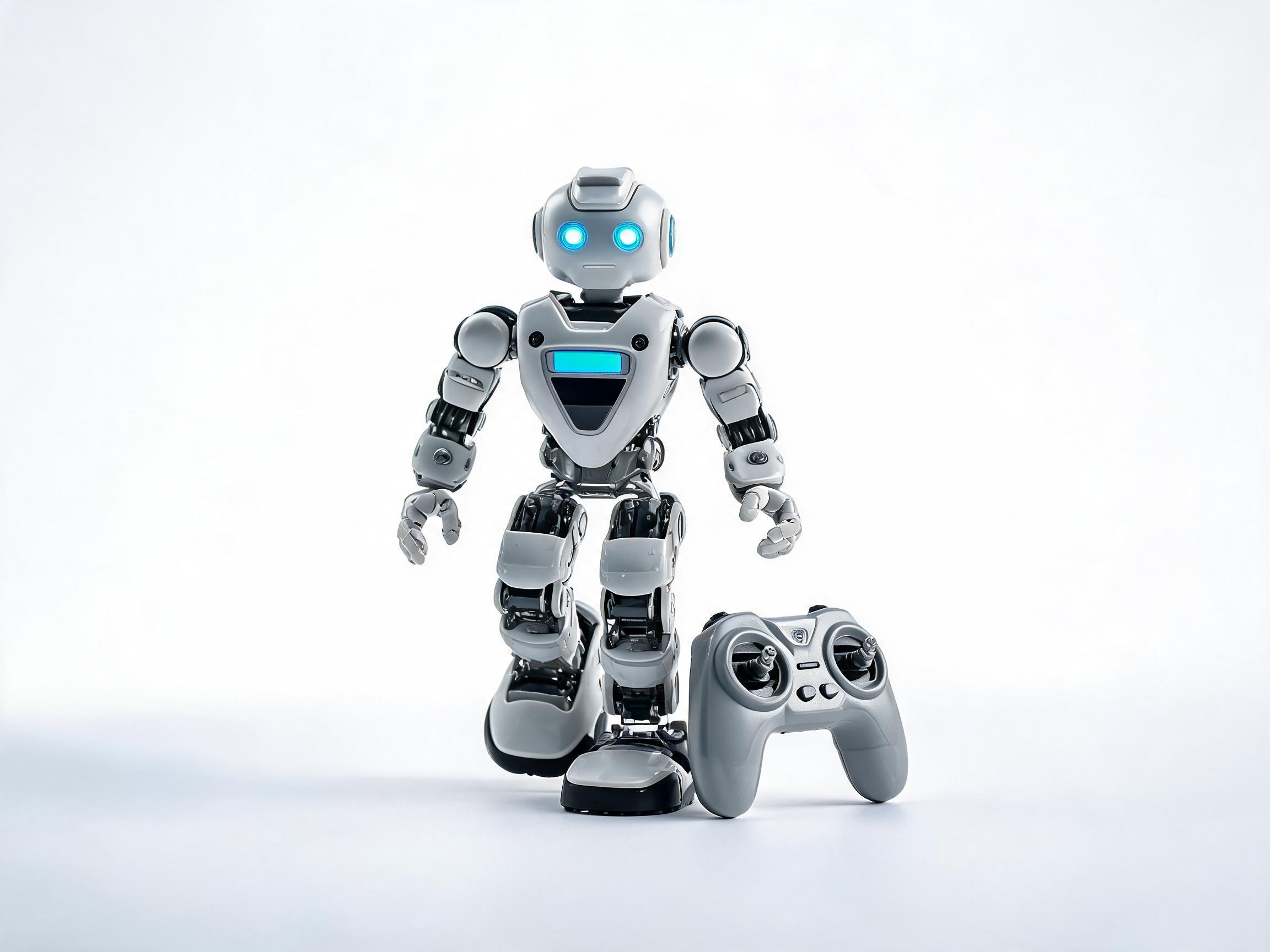
Learn which features make a beginner RC car easy to drive indoors, on gravel, or on grass. Compare control channels, chassis stability, tires, charging, and age ratings, then match the criteria to the right car type.
Beginner RC Buying Guide
The best rc cars for beginners are not the fastest or most expensive. They are the ones a first-time driver can actually control. This guide explains the features that make a beginner rc car easy to drive — simple controls, a stable chassis, the right tires for your surface, and convenient charging — then maps them to three concrete car types.
Key takeaways
- Channel count and control range set the learning curve, not top speed.
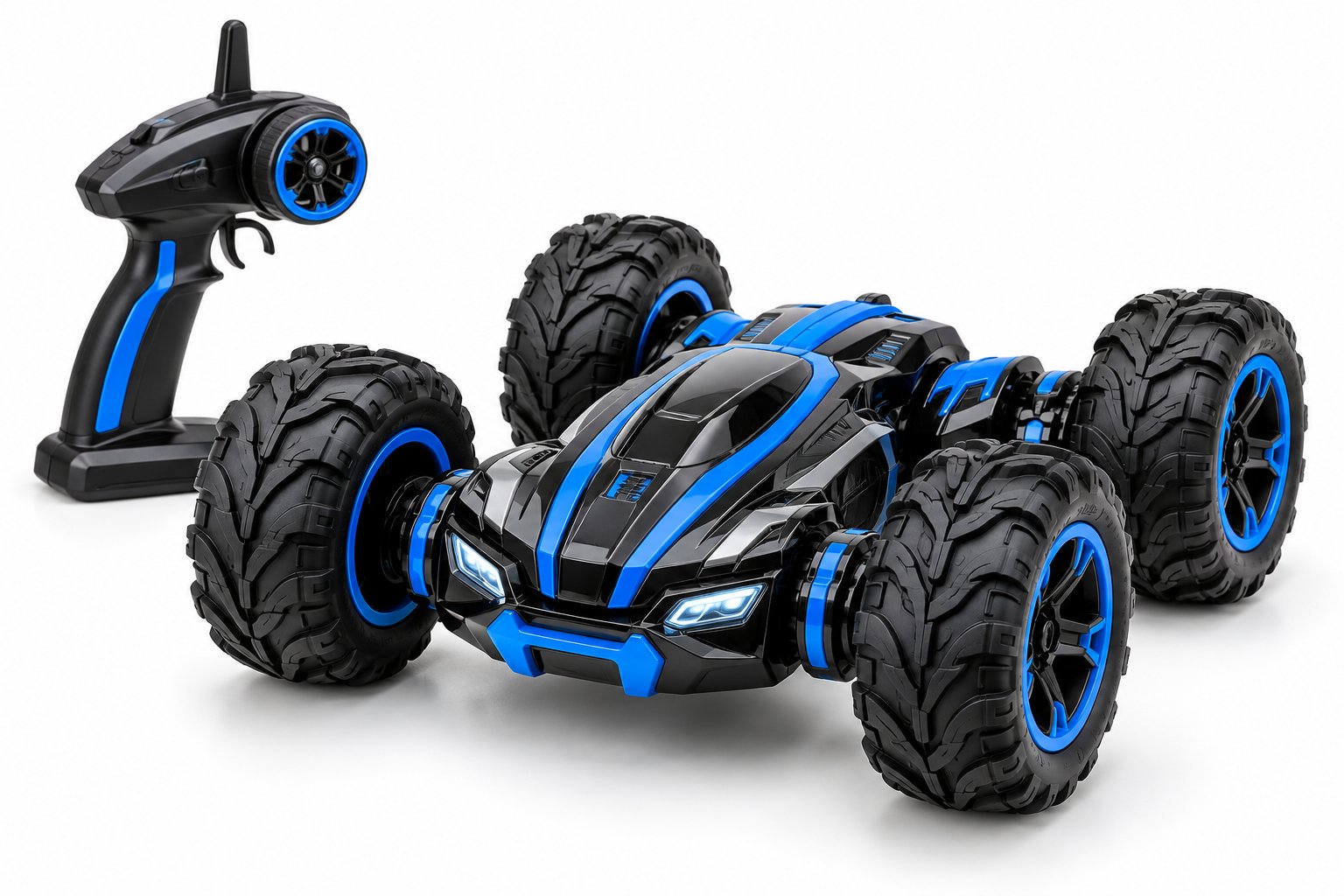
- A low chassis and deep-tread rubber tires reduce tipping and sliding on sharp turns.
- Indoor and light outdoor driving favors a stunt car; gravel and grass favor an off-road truck or buggy.
- USB-rechargeable batteries make a first RC car easier to own; check whether the controller needs AA batteries.
- Age 6+ is a shared starting point for the beginner class, so match the age rating to the actual driver.
Why the first hour decides whether someone keeps driving
A first remote control car has one job: let the driver learn the controls without frustration. New drivers do not need more power. They need a car that goes where they point it, survives a few bumps, and does not need a workshop session before every run. Everything below is a near-term guide for retail customers and retail buyers stocking entry-level RC, sized around features you can verify on a spec sheet.
Beginner-friendly features, ranked by what they change
Control simplicity and channel count
Two things define how hard a car is to drive: how many functions the driver has to manage at once, and how far the car can travel before it leaves comfortable range. A four-channel car adds a function like a 360-degree spin to the usual throttle and steering, so there is more to learn. That can be fun indoors, but it is a bigger first lesson than a two-function car. Control range matters for the same reason. A car with a range up to 30 m keeps the driver sharp; one with a range up to 40 m gives more room to make a mistake and recover.
All three models below use handheld controllers. Two of them use 2 x AA batteries that are not included.
Stability: chassis height and tire grip
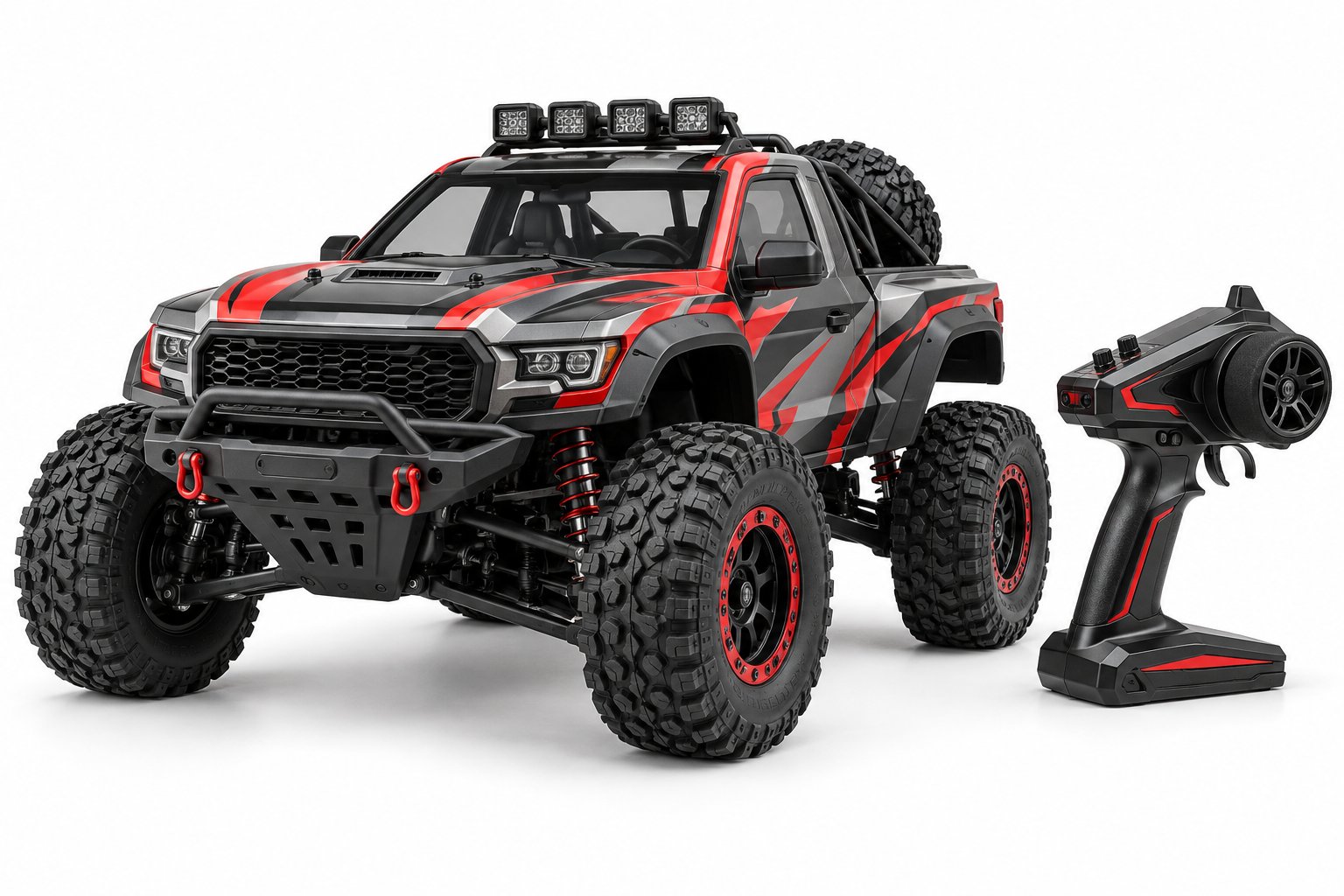
Most beginner mishaps are turn-related. A low chassis reduces tipping in sharp turns, and soft rubber wheels with deep tread grip the surface instead of sliding. Four-wheel drive with independent suspension per wheel spreads the drive across all four corners, which helps on uneven ground. These are the features that keep a beginner from chasing the car after every corner.
Where it will actually be driven
Indoor floors, gravel, and grass demand different cars. Light indoor use rewards a small, low, quick-turning car. Gravel and grass punish smooth tires and shallow ground clearance and reward a larger off-road vehicle with deep block tread and a tough shell.
Charging convenience
A USB-rechargeable battery is the simplest routine for a first owner. All three cars use USB charging, but the voltages differ — a 3.7 V pack in the compact stunt car and a 7.4 V pack in the 4WD truck — so match the charger routine to the car. The controller battery is a separate item: on some models it needs 2 x AA batteries that are not included.
Age rating and build durability
The beginner class here is age 6+, which reflects the control layout and the intended level of adult help. Beyond age, look at the shell. An impact-resistant ABS shell holds up better against the wall-and-table incidents that come with learning. For buyers stocking entry-level RC, a shared age rating simplifies shelf grouping.
Map the criteria to three beginner car types
| Criteria | 2.4GHz Off-Road Car (Gravel & Grass) | 4WD Off-Road Truck | 4-Channel Stunt Car |
|---|---|---|---|
| Best starting surface | Gravel and grass | Gravel and grass | Indoor and light outdoor |
| Drive and stability | Stable off-road buggy layout | Four-wheel drive, independent suspension per wheel | Low chassis reduces tipping in sharp turns |
| Tires | Off-road tread | Soft rubber, deep block tread | Soft rubber, deep tread |
| Controls | Handheld 2.4GHz controller | Handheld controller | Four-channel control with 360-degree spin |
| Control range | Not stated | Up to 40 m | Up to 30 m |
| Battery | Rechargeable, USB charging | 7.4 V USB-rechargeable | 3.7 V USB-rechargeable |
| Controller battery | Not stated | 2 x AA (not included) | 2 x AA (not included) |
| Size | Not stated | 32 x 20 x 14 cm | 24 x 16 x 9 cm |
| Age | 6+ | 6+ | 6+ |
| Compliance | EN71 / ASTM F963 | EN71 / ASTM F963 | EN71 / ASTM F963 |
Pick the type, not the badge
- Indoor-first driver: the 4-Channel RC Stunt Car with 360-Degree Spin for Indoor Use. Its low chassis and small footprint suit living-room driving, and the four-channel spin is a short, entertaining lesson.
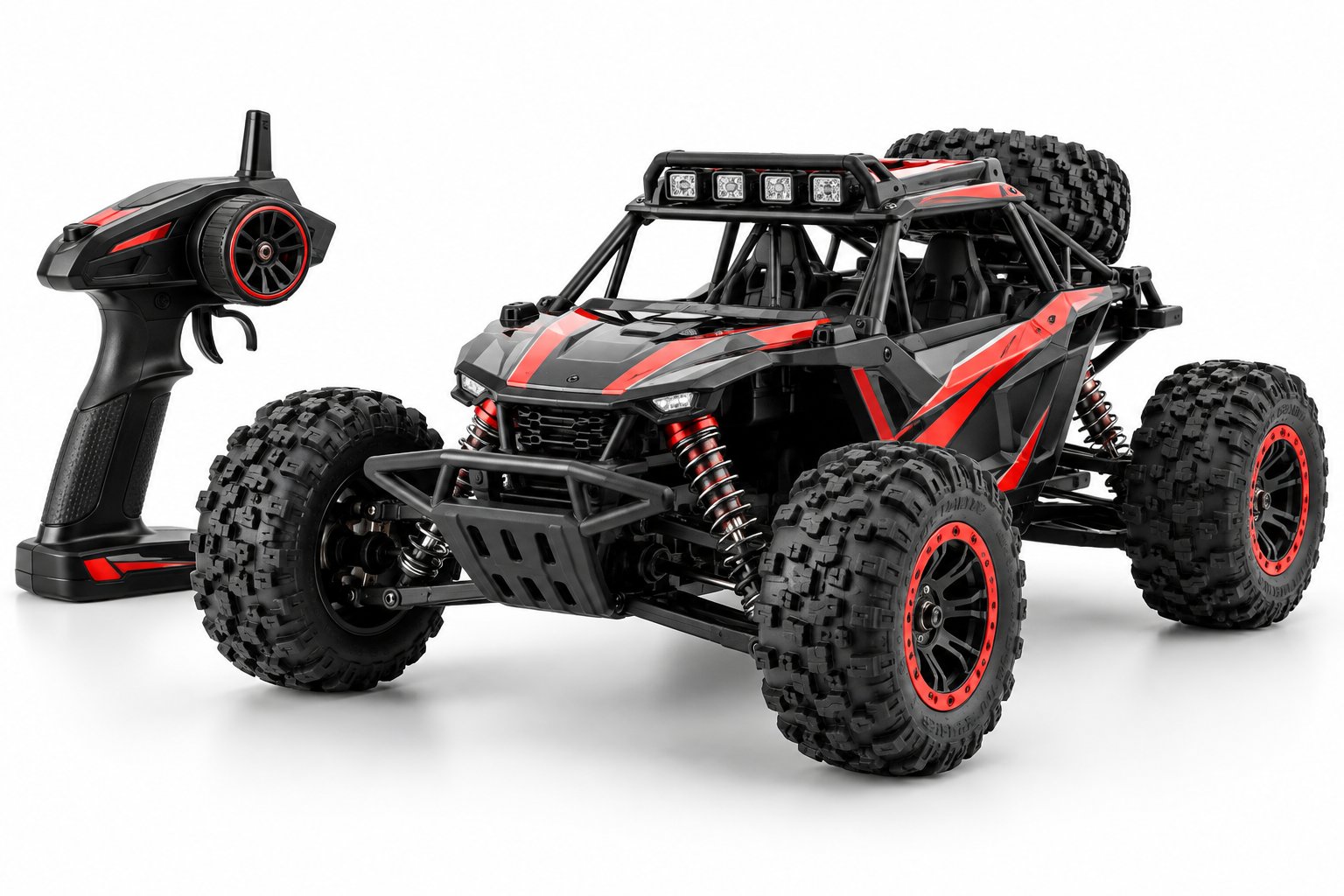
- Gravel and grass driver: the 2.4GHz Remote Control Off-Road Car or the 4WD RC Off-Road Truck with Independent Suspension. The truck adds four-wheel drive, per-wheel suspension, and an impact-resistant ABS shell for rougher ground.
- Buyer stocking entry-level RC: all three share an age 6+ rating and a MOQ of 500 pcs, which keeps a beginner shelf consistent. The 2.4GHz off-road car carries EN71 / ASTM F963 compliance in its records.
A short pre-purchase check
Before ordering, confirm three things with the supplier: the exact surface the driver will use, whether the controller ships with batteries, and the battery voltage so the charger routine is right. For wholesale orders, confirm MOQ and which compliance documents apply to the model you select. These are quick questions that prevent a car from sitting unused because it was matched to the wrong surface.
Charging, range, and surface: the beginner experience in practice
A first driver notices three things fast. First, whether the car stays under control near the range limit — the stunt car’s up-to-30 m range and the truck’s up-to-40 m range are both generous for a yard or a hall. Second, whether it charges simply: every model here uses USB charging, so no dedicated wall adapter routine is strictly required. Third, whether it survives the surface. Deep-tread soft rubber on the stunt car handles indoor floors and light outdoor use; the truck’s deep block tread and ABS shell target gravel and grass.
If you want to get the car running correctly the first time, our step-by-step guide on how to set up a remote control car: a step-by-step beginner’s guide covers pairing the controller and the first drive.
Frequently asked questions
What makes an RC car beginner-friendly?
Simple controls with fewer functions to manage, a stable low chassis, tires that grip the intended surface, and convenient USB charging. A control range that matches the space also helps a new driver stay in control.
Is a 4WD car harder to drive than a 2WD car?
Four-wheel drive with independent suspension per wheel helps on uneven ground because traction is spread across all four corners. For a first car on gravel or grass, that added grip is often easier to live with than a two-wheel-drive layout.
Can I drive these cars indoors and outdoors?
The 4-channel stunt car is built for indoor and light outdoor use. The 2.4GHz off-road car and the 4WD truck are built for gravel and grass. Match the car to the surface you will actually use most.
Do the controllers need batteries?
Two of the three models list 2 x AA batteries that are not included in the controller. Confirm the battery requirement for the exact model before purchase.
What age can start with these RC cars?
All three models carry an age 6+ rating. The rating reflects the intended control layout and supervision level, so match it to the actual driver.
Next step
Choose the car by surface first: indoor and light outdoor, or gravel and grass. Then confirm battery, age, and compliance details for the model you want. You can review the three beginner options here:
- 2.4GHz Remote Control Off-Road Car for Gravel and Grass — EN71 / ASTM F963, MOQ 500 pcs
- 4WD RC Off-Road Truck with Independent Suspension — MOQ 500 pieces
- 4-Channel RC Stunt Car with 360-Degree Spin for Indoor Use — MOQ 500 pieces