The EU Toy Safety Directive (2009/48/EC) is the legal framework for toys sold in the EU. This guide explains how it differs from EN71 and CE marking, who is responsible for what, and which documents buyers should request from suppliers.
Key Takeaways
- The EU Toy Safety Directive is formally Directive 2009/48/EC. It sets the legal requirements for toys sold in the EU.
- EN71 is a family of harmonised standards; complying with them gives a presumption of conformity with the Directive’s essential safety requirements.
- CE marking is the visible declaration that the toy meets the Directive. The manufacturer is responsible for affixing it.
- Importers have their own legal duties: verify documentation, ensure traceability, and act if a product is non-compliant.
- Buyers should request a Declaration of Conformity, test reports, and evidence of EN71 testing before placing orders.
If you import toys into the European Union, you will come across the Toy Safety Directive, EN71, and CE marking on the same product file. They are related, but they are not the same thing. This article explains what the Directive is, how it differs from EN71 and CE marking, and what you as a buyer should check before placing orders.
What Is the Toy Safety Directive?
The Toy Safety Directive is EU legislation with the official reference 2009/48/EC. It applies to toys designed or intended for children under 14 years of age. The Directive sets out essential safety requirements covering physical and mechanical properties, flammability, chemical properties, and electrical safety where relevant. It also requires manufacturers to carry out a safety assessment, prepare technical documentation, and draw up an EU Declaration of Conformity.
The Directive is a legal framework. It does not list every test method. Instead, it sets the safety objectives that a toy must meet. The detailed technical methods for meeting those objectives are found in harmonised standards — most notably the EN71 series.
How the Directive, EN71, and CE Marking Fit Together
The relationship between these three elements is straightforward when you see them as layers of the same compliance system.
| Element | What it is | Who is responsible |
|---|---|---|
| Toy Safety Directive (2009/48/EC) | EU law setting essential safety requirements for toys | Manufacturer (design and documentation); importer (verification) |
| EN71 standards | Harmonised technical standards giving presumption of conformity | Manufacturer (testing and evidence) |
| CE marking | Visible declaration that the toy complies with applicable EU legislation | Manufacturer (affixing); importer (checking) |
EN71 is not the law. It is a set of standards that, when applied correctly, can demonstrate that a toy meets the Directive’s safety requirements. You can read more about the individual EN71 parts in our article What Is EN71?.
CE marking is the result of a compliant process. The manufacturer affixes the CE mark to the toy or its packaging, and draws up an EU Declaration of Conformity. The CE mark itself is not a test report or a certificate — it is a declaration backed by technical documentation.
For a broader discussion of CE marking requirements, see our article CE Marking on Toys.
Manufacturer vs Importer Responsibilities
The Directive places obligations on both manufacturers and importers. Understanding who is responsible for what helps you ask the right questions when sourcing.
Manufacturer
- Design and manufacture the toy to meet the essential safety requirements.
- Carry out a safety assessment before placing the toy on the market.
- Prepare technical documentation, including test reports and material declarations.
- Draw up the EU Declaration of Conformity.
- Affix the CE marking and the manufacturer’s identification mark.
- Ensure traceability (batch or serial numbers where applicable).
Importer
- Verify that the manufacturer has fulfilled their obligations — for example, by checking that the Declaration of Conformity exists and that the CE marking is correctly applied.
- Ensure that the toy carries the importer’s name and contact details (or that of a responsible person within the EU).
- Keep a copy of the Declaration of Conformity and technical documentation for the required period.
- Take corrective action if the toy is found to be non-compliant.
In practice, importers are not expected to re-test every toy, but they are expected to exercise due diligence. Requesting and reviewing the right documents is a core part of that duty.
Documents Buyers Should Request from a Supplier
Whether you are sourcing from an existing supplier or evaluating a new one, ask for the following documents before placing a bulk order.
- EU Declaration of Conformity — a signed document stating that the toy complies with the Toy Safety Directive. It should reference the directive (2009/48/EC) and the standards applied.
- Test reports — reports from a recognised testing laboratory showing EN71 test results for the relevant parts (e.g., mechanical and physical properties, flammability, migration of certain elements). Ensure the report covers the specific product model and materials.
- Material safety data — for chemical compliance, particularly for plastic, painted, or plush components.
- Traceability information — batch coding, manufacturing dates, or serial numbers that link the toy to the test reports and Declaration of Conformity.
- Importer details — confirmation that the importer’s name and address will appear on the product or packaging, as required for EU market placement.
Reliable suppliers maintain organised documentation and can provide these documents without delay. If a supplier cannot provide a Declaration of Conformity or test reports, that is a red flag.
Note: Test reports and certificates must cover the exact product and materials being supplied. A certificate for a different model or material is not sufficient evidence of compliance for your order.
How to Verify Supplier Claims
Some suppliers will state that their products are “EN71 certified” or “CE marked”. Verifying these claims is part of your due diligence.
- Check the Declaration of Conformity — it should be specific to the product, state the directive (2009/48/EC), and be signed and dated.
- Review test reports — confirm that the report is from an accredited laboratory, that the product description matches your order, and that the relevant EN71 parts are covered.
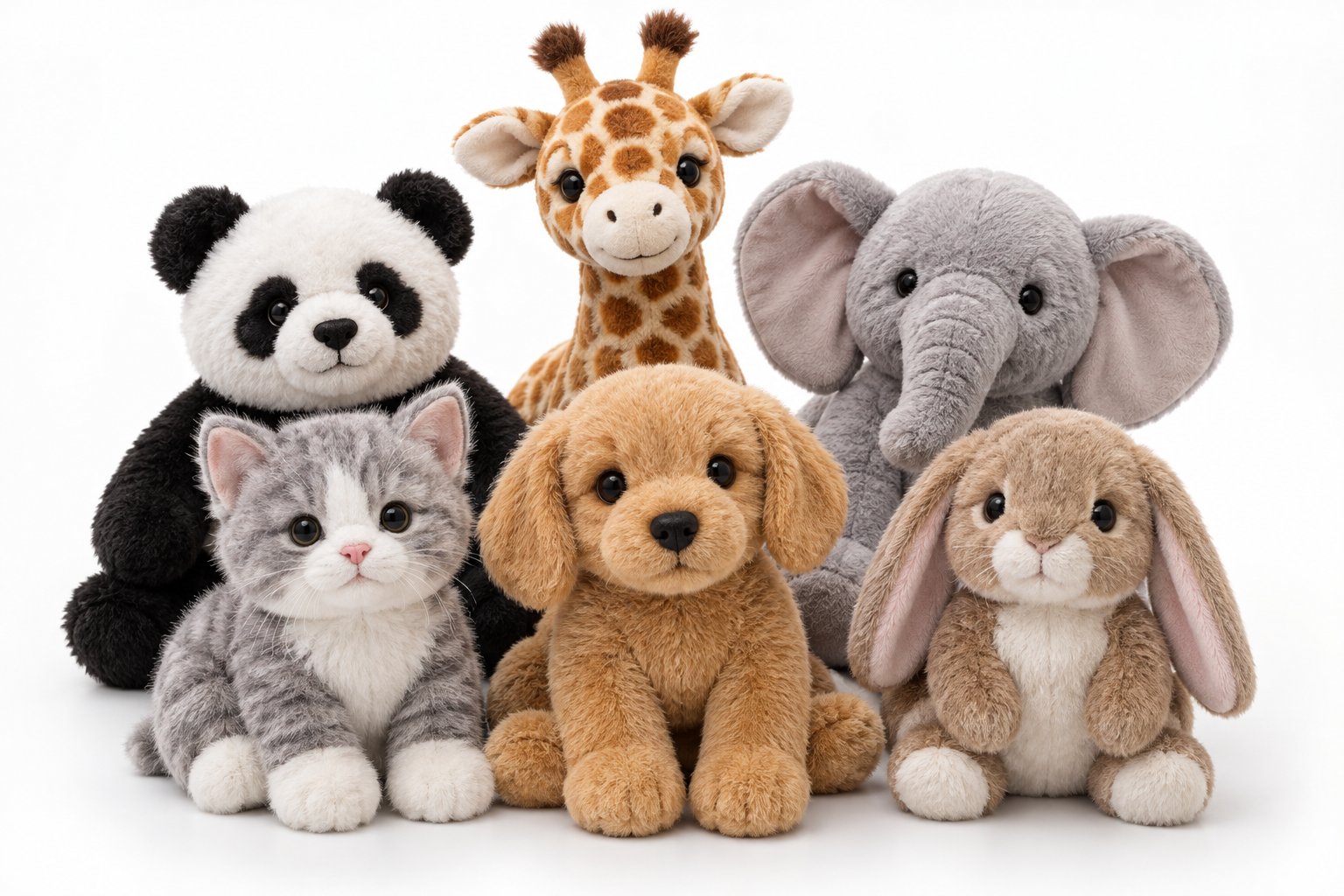
- Ask about production consistency — a sample test report may not reflect ongoing production. Ask how the supplier ensures batch-to-batch conformity. We maintain an in-house QC laboratory for material inspection, small-parts testing, and finished-product checks. Our toys are tested to EN71 and ASTM F963 across our educational, plush, outdoor, and RC/electronic ranges, and our quality management system is certified to ISO 9001:2015. We are glad to share the relevant certificates and test reports for the specific products you are sourcing, so you can verify the scope yourself.
- Request a sample for your own assessment — while a sample test does not replace formal test reports, it can help you confirm that the product matches the documentation.
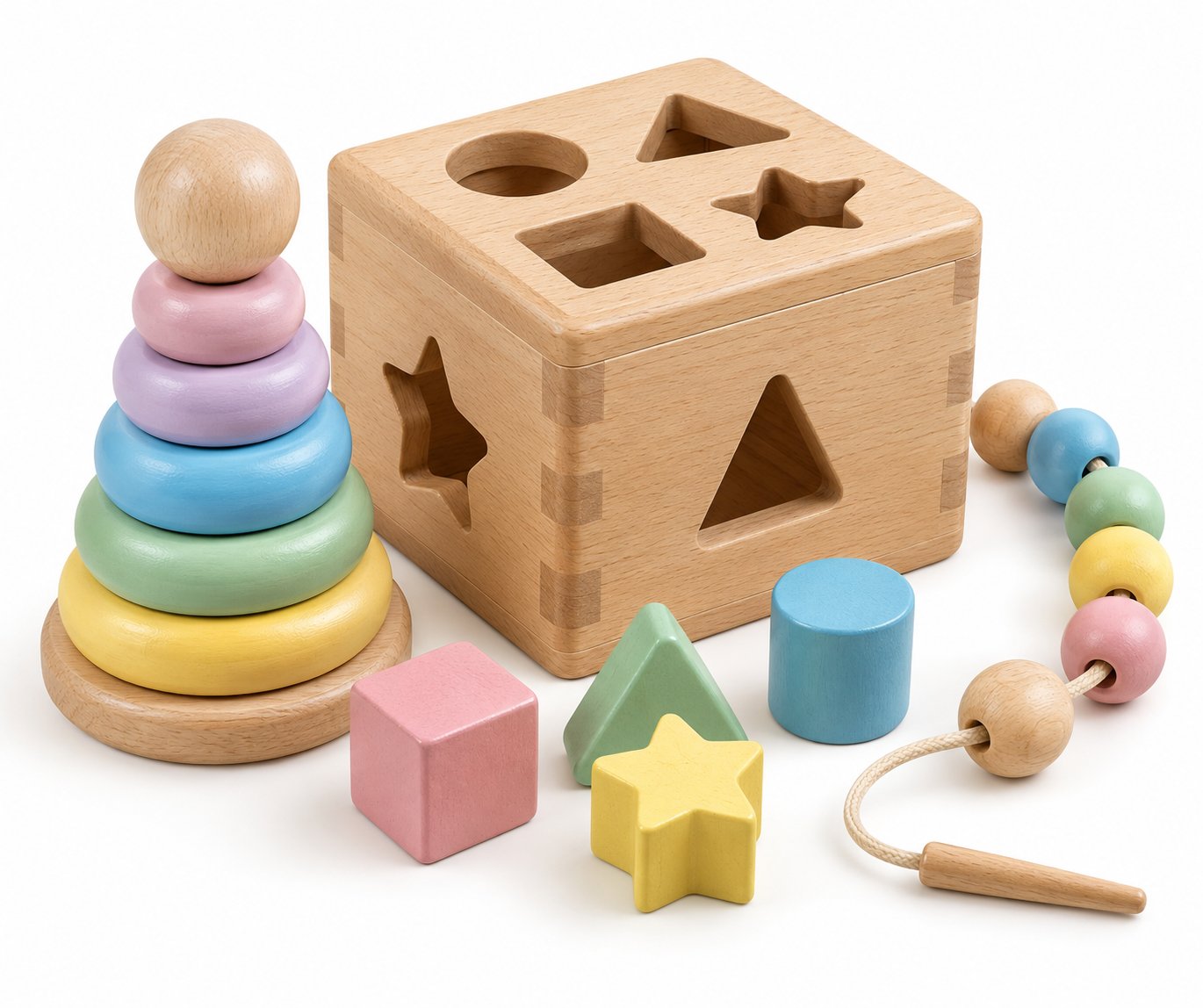
For an example of an EN71-compliant product, see our wooden Montessori educational toy set.
Common Misunderstandings for Buyers
- “EN71 is the law.” — EN71 is a standard family, not legislation. The Directive is the law.
- “CE marking means the toy is certified.” — CE marking is a declaration by the manufacturer, not a certificate issued by a third party.
- “The importer does not need to do anything.” — Importers have legal obligations to verify compliance and maintain documentation.
- “A test report covers all similar products.” — Test reports are specific to the product and materials tested. Material or design changes may require re-testing.
FAQ
Is the Toy Safety Directive the same as EN71?
No. The Directive (2009/48/EC) is EU legislation setting essential safety requirements. EN71 is a set of harmonised standards that provide technical methods for meeting those requirements.
Who is responsible for CE marking?
The manufacturer is responsible for affixing the CE marking and drawing up the EU Declaration of Conformity. The importer must verify that this has been done correctly.
What should I do if a supplier cannot provide a Declaration of Conformity?
Without a valid Declaration of Conformity, the toy should not be placed on the EU market. Look for an alternative supplier or request further documentation.
Do I need to test every batch?
Not necessarily. Importers should exercise due diligence and may rely on the manufacturer’s test reports and quality system, but should have a process for verifying ongoing compliance.
Next Steps for Buyers
Before placing an order for toys destined for the EU, make sure you have reviewed the Declaration of Conformity, test reports, and traceability information. If you are evaluating a new supplier, ask for these documents early in the process. A supplier that is organised and transparent about compliance is easier to work with in the long run.
If you have specific questions about documentation for your product category, please contact our team — we are happy to share the relevant certificates and reports for our ranges.